Leave Your Message

First Name *

Last Name

Phone/WhatsApp *

Your Message *

What Are the Top Types of Car Film Cutting Machines?

Choosing a Car Film Cutting Machine can shape the pace, accuracy, and material use of an automotive film shop. The right system depends on the films being handled, the available workspace, and the operator’s experience. A compact plotter may suit tint patterns, while larger equipment can accommodate broad protective-film or wrap panels. Bigger is not automatically better.

Small details matter. Blade pressure, cutting width, software compatibility, and pattern-library access can affect daily results. A test cut on scrap film can reveal issues before a full sheet is used. Even then, machine settings may need adjustment for different materials. This guide examines common machine types, including manual cutters, standard plotter cutters, and systems with camera or contour-recognition features. It also explains where CNC-style cutting fits into the wider category. The labels are not always tidy, and product descriptions may use them differently.

For example, a shop producing repeatable window-tint patterns may value reliable software and quick setup. A business cutting paint protection film may focus more on panel size, accuracy, and compatible pattern files. Operators should also consider training, maintenance, replacement blades, and the quality of local support. A machine that looks efficient in a demonstration may require a learning period in real work. That is easy to overlook.

The sections ahead compare these options and their practical trade-offs. They offer a grounded starting point, not a universal verdict. A careful buyer should match machine capabilities to actual jobs, then verify specifications with the manufacturer or supplier.
What Are the Top Types of Car Film Cutting Machines?

Manual Car Film Cutters for Basic Pattern Work

Manual car film cutters suit simple, repeatable patterns: door cups, mirror caps, small trim pieces, and straight protective strips. A steel ruler, fresh blade, cutting mat, and paper template are usually enough. No motor needed. The operator controls the pressure and angle, which helps when working on a single vehicle or testing a pattern before repeating it. SEMA’s 2024 market report put U.S. specialty-equipment sales at $52.3 billion in 2023, reflecting a substantial customization market—not proof that hand cutting fits every shop.

S&P Global Mobility reported that the average age of U.S. light vehicles reached 12.6 years in 2024. Older vehicles can bring varied trim shapes, so careful measuring matters more than speed. Mark the film lightly, secure the template, and keep the blade away from paint and glass edges. A hand-cut line can still wander. That is easy to underestimate. Manual tools also struggle with intricate curves and high-volume jobs, where a digital cutter may provide more consistent repeats. Check each piece against the vehicle before removing its liner; even a small measurement error can waste film.

Top Manual Car Film Cutters for Basic Pattern Work

A qualitative comparison of common hand tools for cutting automotive film by hand. Ratings indicate typical suitability on a 1–5 scale, not measured performance.

Utility knives and snap-off knives are versatile for straight cuts; precision craft knives offer finer detail control, while rotary cutters can be useful for smooth curves on suitable work surfaces. Always use a sharp blade and take care to avoid cutting the vehicle’s paint or glass.

Roll-Fed Plotter Cutters for Window Tint and Vinyl

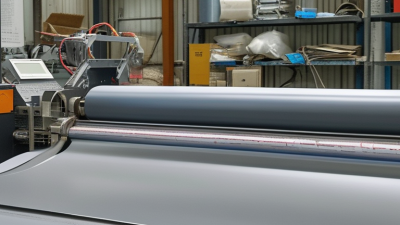
Roll-fed plotter cutters suit shops handling window tint and adhesive vinyl in repeatable sizes. A roll sits on feed rollers, while the cutting head follows a digital pattern. This setup can reduce hand trimming around curved windows and helps keep multiple pieces consistent. Small errors matter. A skewed roll or worn blade can leave uneven edges, so operators should check alignment and make test cuts before starting valuable film.

Demand provides useful context. OICA reported 93.5 million motor vehicles produced worldwide in 2023, about 10% more than in 2022. Grand View Research estimated the global automotive films market at USD 5.67 billion in 2023, with a projected 5.8% compound annual growth rate from 2024 to 2030. These figures do not measure cutter sales, but they show the scale of vehicle production and film applications that serve the market.

For tint, the blade should cut the film without scoring its release liner; vinyl may need different pressure and speed settings. Good software templates matter, too. A cutter follows the file, not the actual glass, and vehicle variations can make a supposedly correct pattern imperfect. Even then, one test cut is not always enough. Check the edge, fit the piece carefully, and adjust settings when the material changes.

Computerized Cutting Plotters for Precision Film Patterns

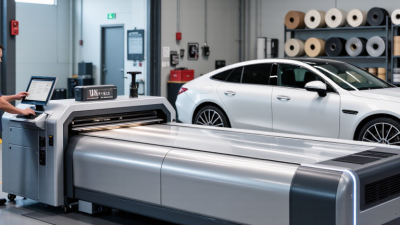
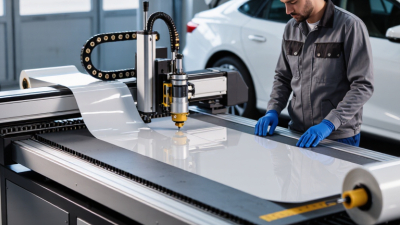
Computerized cutting plotters turn digital film patterns into repeatable cuts for windows, lamps, and body panels. An operator loads the film, selects a stored template, and checks blade depth before cutting. Small details matter. A blade set too deep can score the liner, while a dull edge may tug at tight curves. Optical alignment and steady material feed help keep long edges consistent. Still, the machine only follows its setup; it cannot correct a misplaced sheet or a template that does not match the vehicle’s trim.

For reliable results, installers should verify the vehicle year and panel shape, then make a small test cut on scrap film. Clean rollers, correct blade offset, and measured calibration reduce drift across larger patterns. They should also inspect corners and narrow openings before peeling the liner. These checks take time, but recutting a full panel takes longer. Digital libraries can speed routine jobs, though unusual modifications may need careful hand trimming. This is where the process feels less exact than advertised. Even a precise plotter needs an experienced person to judge stretch, edge placement, and fit during installation.

Flatbed CNC Cutters for Paint Protection Film

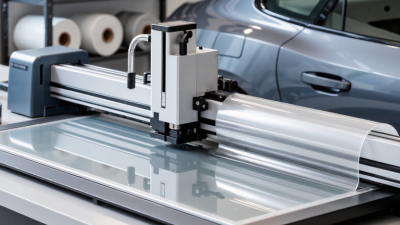
Flatbed CNC cutters are designed to cut paint protection film from digital patterns laid across a flat work surface. A steady vacuum hold keeps the film from shifting as the blade follows each curve. This matters around mirrors, door handles, and bumper corners, where a few millimeters can affect the fit. Small details matter.

Compared with hand trimming on a vehicle, pattern-based cutting can reduce blade contact with the paint and make repeat cuts more consistent. The operator selects a vehicle pattern, checks the film dimensions, and adjusts blade depth and cutting speed for the material. A test cut on scrap film is useful. Too much pressure may mark the liner or table; too little can leave edges attached. Results still depend on setup and careful handling.

A clean workspace helps prevent dust from becoming trapped beneath the film later. The cutter also needs regular checks for blade wear, table alignment, and pattern updates. Digital templates are helpful, but they are not infallible: model-year changes, trim differences, or prior repairs can affect the final fit. A pattern that looks precise on screen may still need a small adjustment during installation. That is worth remembering.

How to Compare Machine Types by Film and Workload

What Are the Top Types of Car Film Cutting Machines?
How to Compare Machine Types by Film and Workload

Roll-fed plotters suit shops cutting window tint from narrow rolls. They use a moving blade and pattern files, so check supported roll width, blade-pressure adjustment, and repeatability. Thin tint film needs clean edges without cutting through its release liner. Small shops may value compact size more than top speed. Fit matters.

For paint protection film, compare wide-format plotters with stronger material handling and enough bed width for large panels. Some systems add camera alignment or vehicle-pattern libraries, reducing manual measuring. Yet a large machine does not guarantee less waste; incorrect patterns and poor film loading still cost material. That assumption is shaky. Ask for test cuts using the exact film thickness and liner you use.

Workload matters as much as film type. OICA reported about 93.5 million vehicles produced worldwide in 2023, while Grand View Research valued the automotive films market at about $7.6 billion that year and forecast growth through 2030. These figures suggest a sizable market, not a guaranteed customer count for any shop. For occasional jobs, a basic roll-fed cutter may be adequate. High daily volume calls for attention to uptime, cutting speed, service access, and file workflow. A practical trial beats a specification sheet.

What Are the Top Types of Car Film Cutting Machines? — How to Compare Machine Types by Film and Workload
Machine type How it cuts Suitable films and jobs Best-fit workload Key advantages Limitations to consider
Roll-fed drag-knife plotter A blade follows programmed paths while the machine feeds flexible material from a roll. Cutting depth is set to cut the film while minimizing contact with its liner. Commonly used for thin window-tint film, sign vinyl, and compatible pre-patterned vehicle film. Single shops, custom work, and light-to-moderate daily cutting. Compact footprint, relatively straightforward operation, and efficient use of roll material for nested patterns. Accuracy depends on correct blade depth, material tracking, and film handling. Thick or layered materials may require a different blade or machine.
Servo or tangential-knife roll plotter Uses controlled blade rotation or a more actively steered cutting head to manage corners and detailed paths in roll-fed material. Suitable for many flexible films, including paint protection film (PPF), wrap film, and detailed vehicle patterns, depending on machine setup and material specifications. Regular production with varied designs, tighter detail requirements, or frequent cutting of more demanding film. Can provide more controlled cutting around corners and intricate shapes than a basic drag-knife setup. Higher equipment and setup complexity may not be justified for occasional, simple cuts. Test blade settings on the specific film and liner.
Flatbed digital knife cutter Holds material on a flat vacuum or mechanical bed while a computer-controlled knife cuts programmed shapes. Some systems can use different knife tools. Useful for film sheets, larger pattern layouts, and compatible flexible materials that can be secured flat on the bed. Mixed work, larger pieces, or production where a flat cutting surface and repeatable positioning are important. Stable material positioning can support detailed cuts and a range of sheet-based jobs. Requires suitable floor space and material handling. Bed size limits the maximum practical workpiece unless the system supports material feeding.
Conveyorized digital knife cutter A cutting head works on material supported by a moving conveyor, allowing long or repeated layouts to be advanced through the cutting area. Compatible roll or sheet films used in longer layouts and repeated production runs. Higher-volume shops that need continuous feeding or longer cutting runs. Can reduce manual repositioning and help maintain a repeatable workflow across longer jobs. Needs more space and workflow planning. Feeding accuracy, vacuum hold-down, and operator setup affect results; throughput varies by design and job complexity.