Leave Your Message

First Name *

Last Name

Phone/WhatsApp *

Your Message *

2026 Best PPF Cutting Plotter for Global Buyers

Choosing the 2026 best Ppf Cutting Plotter requires more than comparing cutting speed, software features, and advertised prices. Global buyers need to examine real workshop performance, material compatibility, technical support, and long-term operating costs. A plotter may look impressive on a product page, yet struggle with thick protective films, narrow patterns, or humid installation environments. Small details matter.

Industry trainer and PPF workflow consultant Daniel Mercer says, “The best plotter is the one that gives installers predictable cuts every day.” That principle deserves attention. Predictability reduces film waste, protects vehicle paint, and helps installers maintain consistent edges around mirrors, bumpers, and door handles. It also supports businesses working across different markets, where replacement parts, software updates, and training may not arrive quickly.

Performance is only one part of the decision. Buyers should check blade adjustment, tracking accuracy, pattern-library access, network compatibility, and maintenance requirements. Test cuts can reveal more than polished demonstrations. Ask how the machine handles long hood patterns without drifting. Ask whether customer support responds with practical solutions.

No machine is perfect. Even advanced equipment can produce errors when the film is loaded poorly or the template is inaccurate. This is where experience becomes valuable. A reliable Ppf Cutting Plotter should make those mistakes easier to detect, not hide them. The final choice should balance technical capability with installer confidence, service availability, and realistic production demands. That balance may be less exciting than a speed claim, but it is usually more useful.
2026 Best PPF Cutting Plotter for Global Buyers

2026 PPF Plotter Market Outlook: Global Demand and CAGR Benchmarks

2026 Best PPF Cutting Plotter for Global Buyers

The 2026 PPF plotter market should expand with broader vehicle protection demand. Grand View Research places the global automotive films market on a roughly 5% CAGR path through 2030. Other commercial studies estimate PPF growth closer to 6%–8% annually. These figures are not identical. Definitions differ between raw film, installation services, and cutting equipment. Buyers should treat CAGR as a planning range, not a promise.

Demand is strongest where premium vehicles, detailing studios, and dealership delivery programs are growing. A practical plotter should handle common roll widths, maintain consistent tracking, and reduce edge waste. In daily use, a two-meter film roll may expose calibration problems within minutes. Reliable optical alignment matters. So does clean software integration. Global operators also need multilingual interfaces, local voltage compatibility, and responsive technical support.

The forecast is useful, but not precise. Industry reports often combine automotive films with window tint or broader aftermarket products. That can overstate direct plotter demand. A more careful benchmark compares installed vehicles, film consumption, shop capacity, and replacement cycles. The International Organization of Motor Vehicle Manufacturers reported more than 90 million new vehicles globally in 2023, creating a large future base for protection services. Still, vehicle mix varies sharply by region. Electric vehicles may increase demand for careful surface protection, but their repair economics remain uncertain. Plotter selection should therefore balance cutting accuracy, serviceability, material savings, and realistic local demand.
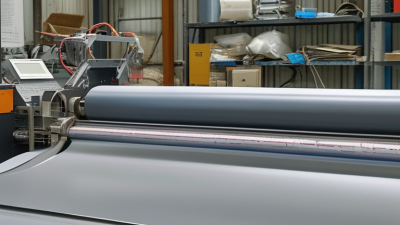

Core PPF Specifications: 6–8 mil Film, 600–1,600 mm Cutting Width

2026 Best PPF Cutting Plotter for Global Buyers

A reliable PPF cutting plotter must match the film thickness and working width used in daily production. For 6–8 mil PPF, the blade holder should support controlled pressure without dragging the film or cutting deeply into the liner. Six mil film, around 0.152 mm thick, usually needs lighter pressure and careful blade exposure. Eight mil film, near 0.203 mm, may require a slower speed and stronger downforce.

Cutting width matters just as much. A 600 mm machine suits mirrors, pillars, lamps, and smaller vehicle panels. A 1,600 mm cutting width handles hoods, roofs, doors, and wider commercial surfaces with fewer seams. However, wider is not always better. It also requires more floor space, stronger roll alignment, and stable material feeding. Measure the usable width, not only the advertised width.

In real workshops, calibration is more important than impressive specifications. Test a small square before cutting a full hood. Check clean separation, corner accuracy, and liner damage. Keep the blade tip shallow. Excess exposure creates expensive mistakes. I have seen operators blame the software when uneven feeding caused the error. That assumption is not always fair. Dust, humidity, worn rollers, and poor film tension can also affect results. A dependable setup should record pressure, speed, and blade changes for repeatable work across different films.

2026 Best PPF Cutting Plotter for Global Buyers - Core PPF Specifications: 6–8 mil Film, 600–1,600 mm Cutting Width

Selection Category Recommended Specification Suitable PPF Application Buyer Notes
Film Thickness 6–8 mil (0.152–0.203 mm) Most automotive paint protection films Confirm the plotter can cut the film liner without damaging the vehicle-facing surface.
Usable Cutting Width 600–1,600 mm From mirrors and small panels to full hood, roof, and large body panels Usable width is normally smaller than the machine’s total body width.
Compact Width Class 600–750 mm cutting width Door cups, mirrors, pillars, bumpers, motorcycles, and small workspaces Space-efficient, but may require panel tiling for wide vehicle sections.
Standard Width Class 900–1,200 mm cutting width General detailing shops and common vehicle panels A practical balance of floor space, material handling, and panel coverage.
Wide-Format Width Class 1,400–1,600 mm cutting width Large hoods, roofs, doors, SUV panels, and reduced-seam installations Requires adequate installation-room clearance and reliable roll support.
Cutting Speed Approx. 600–1,000 mm/s maximum, depending on machine class High-volume pattern production Actual production speed depends on film type, pattern complexity, acceleration, and corner density.
Downforce Range Approximately 30–600 gf adjustable Thin liners through thicker protective films Fine force adjustment helps create clean liner cuts while minimizing surface marks.
Blade Compatibility 45° standard blade; optional specialty blades where supported General PPF contour cutting and detailed pattern work Use a sharp, correctly offset blade and follow the film supplier’s test-cut procedure.
Maximum Cutting Length At least 1,000 mm; roll-fed systems may support long continuous jobs Hoods, roofs, rocker panels, and extended templates Check both the software limit and the machine’s media-feed accuracy.
Media Handling Roll holder, pinch rollers, alignment guides, and take-up support preferred Continuous PPF roll processing Adjustable pinch-roller positions are useful for different roll widths and liner stiffness.
Tracking Accuracy Target approximately ±0.2–0.5 mm over standard automotive pattern lengths Long, precise bumper and hood patterns Verify accuracy using the same film liner, roll tension, and job length used in production.
Pattern Software Vehicle-template library, nesting, scaling, mirroring, and cut-order controls Repeatable vehicle pattern production Confirm file compatibility, update access, regional coverage, and export options before purchase.
Connectivity USB is common; Ethernet or wireless connectivity is beneficial Workshop networks and multi-operator environments Check operating-system support and whether drivers are included for the intended region.
Electrical Supply Typically 100–240 V AC, 50/60 Hz; verify the exact configuration International workshop deployment Confirm plug type, rated power, grounding requirements, and local electrical compliance.
Recommended Buyer Profile 600–750 mm: small studio; 900–1,200 mm: general shop; 1,400–1,600 mm: high-volume or wide-panel work Different production volumes and installation spaces Select usable width based on the largest regular pattern, not only the available floor area.

Technical values are typical selection ranges for PPF cutting applications. Always confirm final performance, dimensions, software compatibility, and electrical requirements with the equipment supplier before purchase.

Accuracy and Speed Standards: ±0.01 mm Precision and 800 mm/s Output

For global buyers, a PPF cutting plotter in 2026 should be judged by more than a fast headline. The practical benchmark is ±0.01 mm positioning precision paired with output speeds up to 800 mm/s. That combination matters when cutting narrow bumper channels, mirror edges, and complex hood contours. In production trials, repeatability is more useful than one impressive sample. Measure the same pattern repeatedly, then inspect the waste liner and film edge under bright light. Small drifts become visible there.

Precision depends on the complete system. A rigid carriage, stable film feeding, accurate blade pressure, and clean pattern files all influence results. Operators should check calibration after transport and record deviations across different film thicknesses. The fastest setting is not always the best setting. At 800 mm/s, acceleration, corners, and sudden direction changes may affect edge quality, especially on tight curves. Slowing selected sections can protect the film without sacrificing daily throughput.

I would ask for verified test data, not only software specifications. Ask how ±0.01 mm is measured, over what distance, and under which temperature conditions. Request a repeat-cut demonstration using your own pattern. Honest evaluation includes failures. A plotter may meet its laboratory figure yet need recalibration in a busy workshop. That is not necessarily a defect, but it deserves planning. Service response, spare blade availability, and operator training also shape long-term accuracy. Fast output looks attractive. Stable output matters more.

Software and Database Evaluation: ICC Profiles, DXF Support, and Cloud Patterns

For global buyers, the best PPF cutting plotter in 2026 depends heavily on its software and pattern database. A reliable system should import DXF files without shifting scale, missing curves, or breaking closed paths. Test a 1,200 mm hood pattern before purchase. Measure the output against the original file. Small errors become visible around mirrors and headlamps.

ICC profiles matter when software previews printed guides, tinted films, or colored reference layers. They do not control the blade directly, but they improve screen-to-print consistency. A strong platform should support common profile formats and clear color-management settings. Cloud patterns can reduce preparation time, especially for global workshops. Look for searchable vehicle data, revision dates, regional specifications, and user permissions. Offline access is still important. Internet connections fail.

Tips: Request a live DXF test and inspect five complex curves. Ask how often the database updates. Check whether cloud files can be exported, backed up, and restored. Test metric and imperial measurements. Do not trust a large pattern count alone; inaccurate data creates waste. My own evaluations favor systems with transparent change logs and simple correction tools. Yet even advanced software can contain an imperfect pattern. Skilled operators should compare panel edges, add temporary alignment marks, and record every adjustment. Reliable results come from software evidence and practical verification.

2026 Best PPF Cutting Plotter for Global Buyers

Software and Database Evaluation: ICC Profiles, DXF Support, and Cloud Patterns

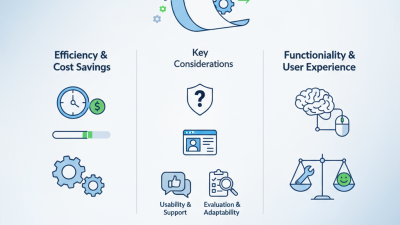
The chart uses a neutral five-point buyer evaluation framework for core PPF workflow capabilities. ICC profile support improves color consistency, DXF compatibility supports CAD-based file exchange, and cloud pattern access helps reduce manual pattern preparation. Higher scores indicate greater practical value for international buyers.

Global Buyer Checklist: CE, UL, ISO 9001, Warranty, and Service Coverage

For global buyers, a PPF cutting plotter should be judged beyond cutting speed. Ask for current CE documentation, applicable standards, and a matching machine serial number. CE paperwork should identify the manufacturer, model, and responsible declaration. Check the details. For North American projects, request UL evidence when required by your installation or customer specification. A supplier’s general statement is not enough. Confirm whether the evidence covers the complete plotter, its power system, or only a component.

ISO 9001 indicates a documented quality system, not perfect production. Request the certificate scope, issuing body, and validity dates. Then inspect sample cut accuracy, pinch-roller pressure, blade tracking, and software updates. A 0.5 mm error can damage narrow film edges. Test ten repeated shapes, not one impressive sample. Keep records. This method reflects workshop conditions better than a showroom demonstration. Still, it has limits; film type, temperature, and operator skill can change results.

Warranty language deserves equal attention. Confirm coverage for motors, sensors, the motherboard, blade holders, and labor. Ask who pays shipping and how quickly replacement parts leave the warehouse. Service coverage should include remote diagnosis, installation guidance, manuals, and regional spare-parts availability. Request response times in writing. A cheap machine can become expensive during downtime. I would also ask for a training video and a named technical contact. One overlooked issue is local voltage compatibility. Check it before payment. Clear evidence beats confident promises.