China Top PPF Machine Manufacturers for Global Buyers
Choosing a reliable Ppf Machine manufacturer in China requires more than comparing online prices. Global buyers need stable equipment, clear specifications, responsive support, and evidence of real production experience. A dependable supplier should explain cutting accuracy, film compatibility, software functions, working width, power requirements, and maintenance procedures in practical terms.
This guide introduces China’s leading PPF machine manufacturers from a buyer-focused perspective. It considers factory capability, product development, quality control, export experience, and after-sales service. Photos can help, but they cannot replace sample testing. Ask suppliers to cut your preferred film patterns and review edge precision, waste levels, operating noise, and software usability. Small details matter when a machine works beside installers every day.
A professional manufacturer should provide manuals, training resources, spare parts, and realistic delivery information. It should also communicate destination-market requirements without making unsupported compliance claims. Certifications may vary by model and region, so buyers should verify documents independently. No supplier is perfect. Some companies may offer strong hardware but weaker software support, while others may provide excellent service with fewer customization options. That gap deserves attention.
The following overview helps distributors, workshops, and automotive service businesses compare manufacturers more carefully. It focuses on measurable capabilities rather than promotional promises. Reliable purchasing still requires direct communication, factory verification, contract review, and a clear testing plan before payment. Practical judgment remains essential.
PPF Machine Technology and Its Role in Vehicle Protection
China Top PPF Machine Manufacturers for Global Buyers
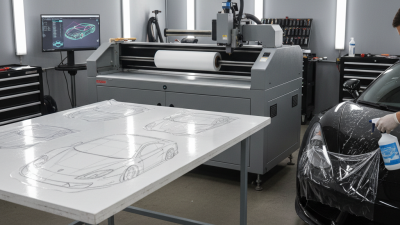
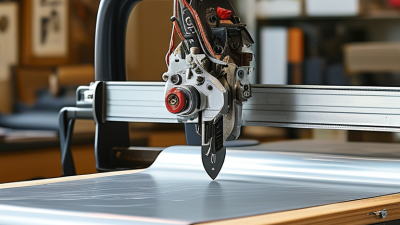
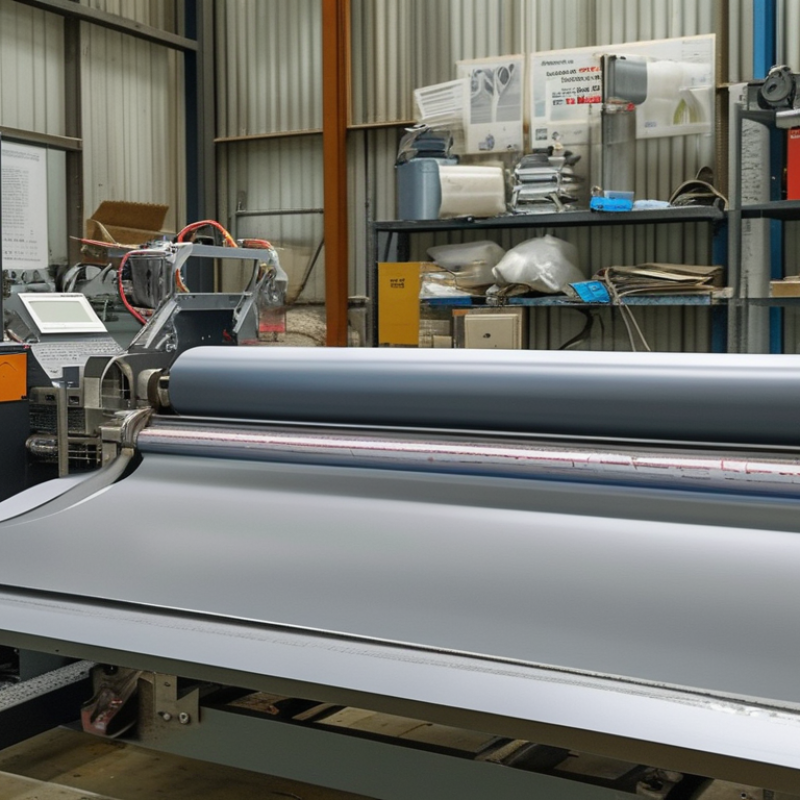
PPF machine technology has reshaped how installers protect vehicle paint. Modern cutting plotters read digital patterns and cut paint protection film with controlled accuracy. Many systems use adjustable blade pressure, stable feeding rollers, and optical positioning. These features help reduce waste around mirrors, bumpers, and door handles. A clean cut matters because exposed edges can collect dust and moisture.
Experienced installers still inspect every pattern before cutting. Vehicle models often differ by year, trim, sensor layout, or market specification. Reliable software should offer updated databases and allow practical pattern adjustments. In workshops, operators may test a small section before processing a full hood. This simple step can prevent costly film loss. Good machines also require regular blade checks and careful calibration.
The process is not flawless. A perfect digital pattern may fit poorly on a modified vehicle. Curved panels, deep channels, and stretched film can expose weaknesses quickly. Skilled technicians combine machine precision with hands-on judgment. Manufacturers in China increasingly focus on stable motors, user-friendly controls, and remote technical support for global buyers. However, published specifications do not replace real installation trials. Buyers should examine cutting accuracy, software compatibility, maintenance access, and training quality before choosing equipment. Even a powerful machine needs a careful operator.
Key Criteria for Evaluating Chinese PPF Machine Manufacturers
China Top PPF Machine Manufacturers for Global Buyers
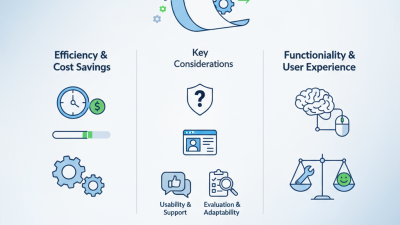
Choosing a Chinese PPF machine manufacturer requires more than comparing online prices. Machine stability, cutting accuracy, and software performance directly affect daily installation work. Ask for real cutting samples using your preferred film. Check edge precision around mirrors, bumpers, and narrow panels. A reliable manufacturer should explain blade control, camera calibration, and compatible film thicknesses clearly.
Production capacity also matters. Review the machine’s working speed, material feeding system, and maintenance requirements. Request factory videos, inspection records, and customer references from similar markets. Certifications can support credibility, but they should not replace practical testing. Confirm spare-parts availability, remote support hours, training quality, and warranty terms. A low purchase price may become expensive when downtime increases.
Tips: Test a complete vehicle pattern before ordering. Compare waste rates, not only cutting speed. Ask who updates the pattern database and how quickly corrections are delivered. Do not trust every impressive specification. Some details look precise but remain difficult to verify. A factory audit or live video demonstration can reveal small issues, such as uneven feeding or unclear software instructions. No machine fits every workshop perfectly. Your film types, operator skills, order volume, and local service access should guide the final decision.
Leading China-Based PPF Machine Manufacturers for Global Buyers
China-Based PPF Machine Manufacturers for Global Buyers
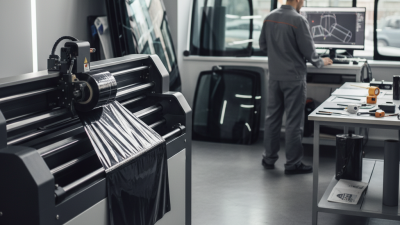
China-based PPF machine manufacturers serve installers, distributors, and vehicle customization workshops worldwide. Their machines commonly combine precision cutting, digital templates, adjustable pressure, and compact workshop designs. Buyers can choose equipment for small studios or higher-volume production lines.
Experienced manufacturers usually provide cutting tests before shipment. Ask for samples using different film thicknesses and complex bumper patterns. A clean corner, steady blade movement, and minimal waste reveal more than a polished product photo.
Check the machine’s voltage, operating system, software language, and file compatibility. These details can prevent costly delays after delivery.
Reliable suppliers also explain maintenance clearly. Useful support may include remote training, spare blades, calibration guidance, and detailed operating documents. Export packaging should protect the cutting table from moisture and vibration. Confirm inspection records, warranty terms, response times, and available replacement parts.
A low quotation may hide limited support or difficult software updates. That risk deserves attention. In real workshops, operators may need time to learn pressure settings and template adjustments. Even capable equipment can produce inconsistent results when installation is rushed. Buyers should compare tested performance, service quality, and long-term operating costs instead of choosing only by price.
Export Support, Compliance, and Purchasing Considerations for Buyers
Global buyers evaluating Chinese PPF machine manufacturers should examine export capability beyond catalog prices. A reliable supplier should provide a complete commercial invoice, packing list, bill of lading, and accurate HS code information. Confirm the machine’s voltage, frequency, plug type, and language options before payment. Small mismatches can delay installation.
Compliance needs written evidence. Ask for applicable safety declarations, electrical test reports, and quality-management records such as ISO 9001 certification, where available. Requirements differ by destination, so buyers should verify local rules with customs agents and technical consultants. Do not accept vague claims like “globally certified.” Request document numbers and inspection dates.
Ask for factory acceptance testing before shipment. Review cutting accuracy, software operation, film handling, emergency stops, and noise levels. A short video is useful, but an independent inspection is stronger. Export experience also includes wooden-case treatment, moisture protection, spare parts, remote training, and response times for technical support. Clarify warranty limits and Incoterms in the contract. A low quotation may exclude installation, duties, or replacement components. That is easy to overlook.
Some purchasing decisions remain imperfect. Product samples may not represent every film thickness or working condition. Buyers should test their own materials whenever possible. Keep signed specifications, inspection photos, and payment milestones in one record. Clear records reduce disputes when delivery schedules change or performance differs from expectations.