Leave Your Message

First Name *

Last Name

Phone/WhatsApp *

Your Message *

What Is the Best PPF Machine to Buy in 2026?

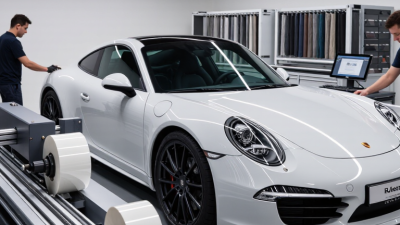
Choosing the best Ppf Machine in 2026 is less about buying the most expensive cutter and more about matching equipment to real shop demands. A busy installation bay needs repeatable cuts, dependable software, and fast support. A smaller studio may value lower setup costs and easier training. Details matter: a misaligned pattern can waste film, while a slow workflow can leave a vehicle waiting on the lift.

Market data offers useful context, but it needs careful interpretation. Grand View Research’s Automotive Films Market report estimated the broader global market at roughly US$6 billion in 2023. That category includes more than paint protection film, so it does not prove demand for any single machine. Still, it points to a substantial market where installers compete on quality and turnaround time. Treat forecasts as direction, not a promise.

For a 2026 purchase, compare cutting accuracy, supported film widths, pattern-library updates, software fees, and local service response. Ask vendors to demonstrate a complex bumper pattern, not just a simple hood cut. Check how the machine handles repeat jobs and whether staff can learn the workflow without constant help. No machine is perfect. Even a strong unit may disappoint if patterns, training, or support are weak. The best choice is the one that fits your jobs, space, budget, and team—and whose performance you can verify before buying.
What Is the Best PPF Machine to Buy in 2026?

What a PPF Machine Does and How It Works

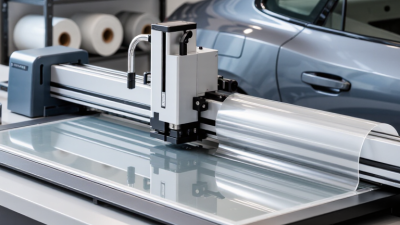
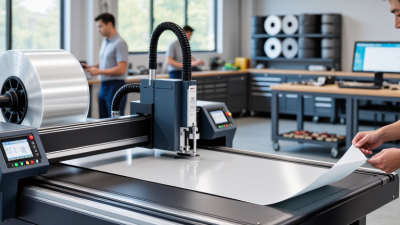
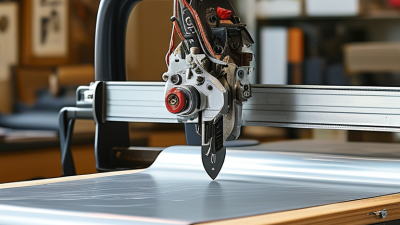
A paint protection film (PPF) machine is typically a computer-controlled cutter, not a device that applies film to a vehicle. It feeds a roll of clear film beneath a blade, then follows a digital pattern to cut pieces shaped for specific panels. The operator selects a vehicle pattern, checks the film width, and sends the file to the cutter. Feed rollers keep the material moving; blade pressure and cutting speed affect edge quality. Small calibration errors can leave a pattern short or waste expensive film.

The market context is substantial, but it does not prove that any cutter performs well. SEMA’s 2023 Market Report estimated U.S. specialty-equipment sales at $52.3 billion in 2022, a broad category that includes vehicle upgrades and accessories. A PPF cutter serves one narrow part of that ecosystem. In a working shop, the machine can reduce hand-trimming near painted surfaces and make repeat cuts more consistent. The installer still cleans the panel, positions the film, and works out water and air with a squeegee. Not magic. Patterns may need adjustment for trim changes, model-year differences, or imperfect data. A sensible buying test is to cut a familiar panel pattern and inspect its alignment, corners, and material use before committing to regular production.

What Is the Best PPF Machine to Buy in 2026? What a PPF Machine Does and How It Works

A PPF plotter uses cutting software and a blade to cut paint protection film to a selected pattern. The chart shows the workflow sequence—not machine performance. The plotter cuts the film; an installer applies it to the vehicle.

Main Types of PPF Machines Available in 2026

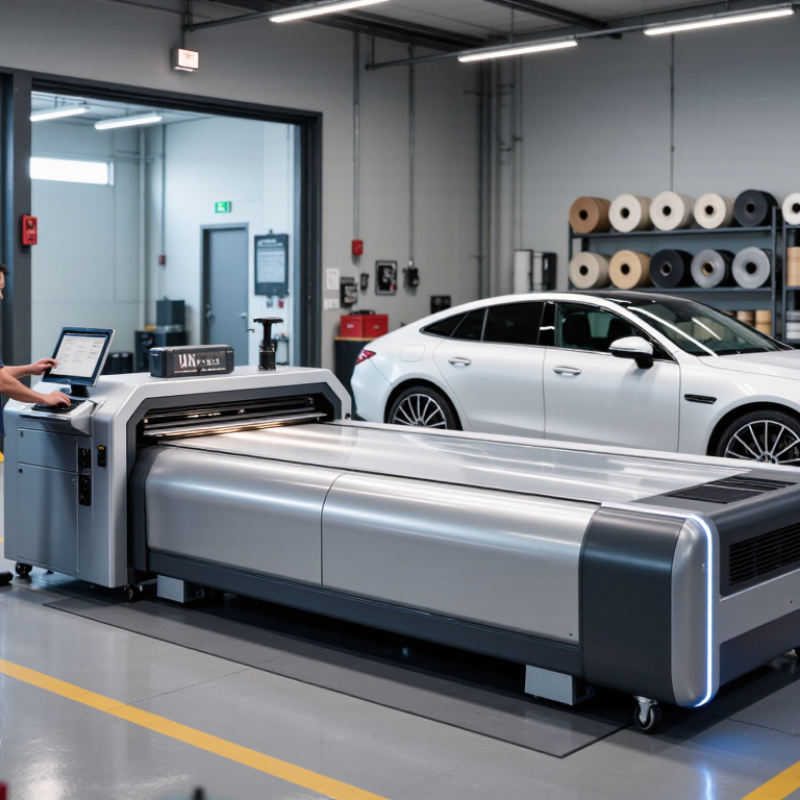
The main PPF machine types in 2026 are standalone plotter cutters, software-connected systems, and higher-throughput roll-fed cutters. A plotter cuts paint protection film from a pattern; it does not install the film on a vehicle. Nothing applies the film for you. Blade pressure, cutting accuracy, and steady film tracking matter more than a flashy control panel.

Standalone cutters suit shops that already manage patterns and jobs separately. They can be a practical choice for occasional work, but operators need to check file compatibility and allow time for setup. Software-connected systems link pattern selection with cutting, which can reduce repeated measuring and trimming. Their value depends on pattern coverage, update quality, and how easily staff can adjust a design around sensors or vehicle variations.

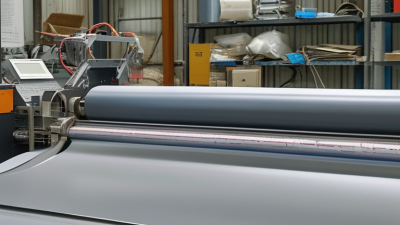
Roll-fed units handle longer film rolls and may suit shops cutting frequently or working on larger vehicles. Check usable cutting width, roll loading, material tracking, and available service before buying. A larger machine can still waste film if its software or workflow is awkward. That part is easy to overlook. No single type fits every shop; compare the machine with your daily job volume, available floor space, and staff experience.

What Is the Best PPF Machine to Buy in 2026? — Main Types of PPF Machines Available in 2026

Machine type How it works Best suited to Main advantages Limitations to consider What to check before buying
Professional roll-fed PPF cutter Feeds film from a roll and follows digital pattern paths with a computer-controlled blade. PPF cutting is typically set up as a kiss cut through the film while leaving the liner intact. Dedicated installers and busy shops cutting vehicle-specific patterns regularly. Supports roll material and repeatable digital cuts; can reduce the need to hand-cut many patterns on the vehicle. Needs suitable floor or bench space, pattern access, setup time, and operator training. Cut quality still depends on blade condition and correct settings. Maximum usable film width, roll handling, reliable kiss-cut adjustment, tracking over long cuts, software compatibility, service, and replacement blades.
Compact roll-fed cutter Uses a smaller feed path and cutting area to process film from a roll, often with a more limited working width than a full-size shop cutter. Small studios, mobile setups, lower-volume shops, or businesses with limited workspace. Takes up less space and can be a lower-commitment way to introduce digital pattern cutting. A narrower cutting area may require more careful material planning and may not suit every large pattern or workflow. Actual cutting width, supported film thickness, roll loading, pattern dimensions, stability, and whether the cutter can maintain accurate tracking for the patterns you use.
Flatbed digital cutter Holds sheet material on a flat cutting bed and moves a tool across it to follow digital paths. Some configurations use a vacuum hold-down to keep material in place. Shops that also cut sheet-based materials or need a flat work surface for particular cutting tasks. Can handle sheet workflows and varied cutting jobs, depending on the bed, tooling, and material-holding system. Usually occupies more floor space; roll handling and continuous roll-fed production may be less convenient than with a roll cutter. Bed size, film hold-down method, compatible blade and tool options, liner-safe cut control, and how film is loaded and aligned.
Integrated cutter-and-software workstation Pairs a compatible cutter with a digital pattern workflow for selecting, positioning, and sending vehicle-specific designs to the machine. It is a workflow package rather than a distinct cutting mechanism. Shops prioritizing a coordinated pattern-to-cut process and simplified day-to-day operation. Can reduce manual file preparation and help standardize how patterns are selected and cut. Pattern access, software features, subscriptions, updates, and compatibility can affect ongoing cost and flexibility. Vehicle and pattern coverage, licensing terms, update policy, file export options, computer requirements, and whether the workflow works with the cutter you plan to use.
Manual cutting setup An installer lays out film and cuts it by hand using suitable knives, templates, and measuring tools rather than a computer-controlled cutter. Occasional jobs, custom one-off work, or installers who prefer to trim and fit film directly on the vehicle. Low equipment complexity and flexible for custom trimming or adjustments during installation. Results depend heavily on installer skill; hand cutting on a vehicle requires care to avoid damaging the paint. Safe cutting practices, appropriate tools, template availability, operator experience, and whether cutting time is practical for the shop’s workload.

Buying takeaway: For a shop that regularly installs standard vehicle PPF patterns, a roll-fed cutter with dependable kiss-cut control and a pattern workflow that covers its target vehicles is often the most practical starting point. Compare working width, software terms, support, and the patterns you actually need rather than relying on the machine category alone.

Key Features to Compare Before Buying a PPF Machine

A PPF machine should fit the films and workload you actually handle, not just look impressive on a specification sheet. Start by checking cutting accuracy on tight curves, narrow mirror sections, and bumper patterns. Ask whether the software supports your preferred design files and receives regular pattern updates. A library that is easy to search can save time between jobs. Small details matter.

Compare the usable cutting width with the largest panels in your typical work. Check how the machine feeds film, holds it steady, and handles long cuts without shifting. Ask about blade availability, calibration, maintenance, and local technical support. These costs can matter more over time than a low purchase price. If possible, run a sample cut and inspect its edges under good light. Test it first. No single feature decides everything; a fast machine may still frustrate a small shop if setup is awkward. I would weigh ease of use and dependable support alongside speed, then allow room for one imperfect choice: real daily use may reveal needs that a demo cannot.

How to Match a PPF Machine to Your Shop’s Needs

Choosing a PPF machine starts with the work your shop actually receives, not the largest model you can afford. Track the vehicles you handle for a few weeks. If most jobs involve sedans, a machine with a suitable cutting width may be enough. Larger vehicles and frequent full-body installs can require wider material support. Measure your workspace, too. A roll that fits the machine may still be awkward to load beside a crowded workbench.

Match capacity to daily volume. A busy shop may benefit from faster cutting and reliable pattern software, while a low-volume installer may value simple setup and manageable upkeep more. Check how patterns are updated, whether your common vehicle models are covered, and how easily staff can learn the controls. Run sample cuts on your own film before committing. Watch for lifted corners, wasted material, and extra trimming. Small flaws add up.

Service matters. Ask about training, parts availability, and realistic repair times. A low purchase price is less attractive if one fault stalls work for days. Still, the most advanced machine is not automatically the best fit. That is easy to forget. Compare total operating costs with your actual workload, and leave room for growth without paying for capacity you may never use. Your numbers may be imperfect at first; review them after a few months of real jobs.

Costs, Software, and Support to Consider Before Purchase

Choosing a PPF machine in 2026 means comparing the full cost, not just the purchase price. Add installation, training, routine maintenance, replacement parts, and any software fees. Ask for a written quote that separates these items. A low upfront price can hide expensive downtime later. Look closer.

Software affects daily work. Check whether the pattern library is regularly updated and whether the subscription has limits. Confirm that the software works with your existing computer and supports common file formats. Ask for a live demonstration using a vehicle shape you actually handle, not only a polished sample. That matters. A fast cutter is less useful if staff spend hours correcting pattern placement or trimming errors.

Support can protect both schedule and budget. Ask how quickly technicians respond, which hours they cover, and whether remote troubleshooting is included. Request details about warranty exclusions and the cost of service after coverage ends. I may be overly cautious, but vague promises are hard to rely on when a machine stops mid-job. Compare support terms in writing, then weigh them against the price. A dependable purchase should fit your workload, staff skills, and realistic operating costs.