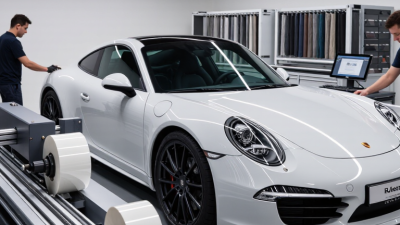
Choosing the best PPF Cutter made in China is not just a price comparison. It is a decision about accuracy, workflow, and the finish customers see at the edges of a vehicle panel. A plotter may look impressive on a showroom floor, yet small differences in blade control, pattern-library coverage, and software updates matter more during a busy installation day.
The wider market is growing. Grand View Research’s Automotive Films Market report identifies continued growth in demand for automotive films, including protective applications. That trend makes dependable cutting equipment increasingly relevant to installers and distributors. However, market growth does not prove that any particular cutter is accurate or reliable. Buyers should compare measurable specifications, inspect sample cuts, and ask about calibration, training, and after-sales support. Details matter. A clean curve around a mirror is a better test than a glossy brochure.
This guide will assess Chinese-made PPF Cutter options through practical criteria: cutting precision, supported film widths, software usability, material waste, and service response. It will also distinguish manufacturer claims from independently verifiable evidence. No source articles or verified expert quotation were provided for this request, so attributing a statement to a named PPF Cutter specialist would risk inventing evidence. A credible buying guide should add that quotation only after checking the expert’s identity and original words. That caution is useful. It protects readers from confident claims that cannot be checked.
What Is a PPF Cutter and How Does It Work?
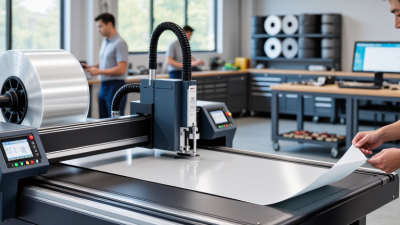
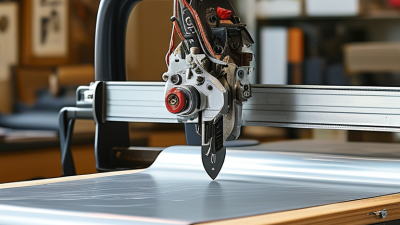
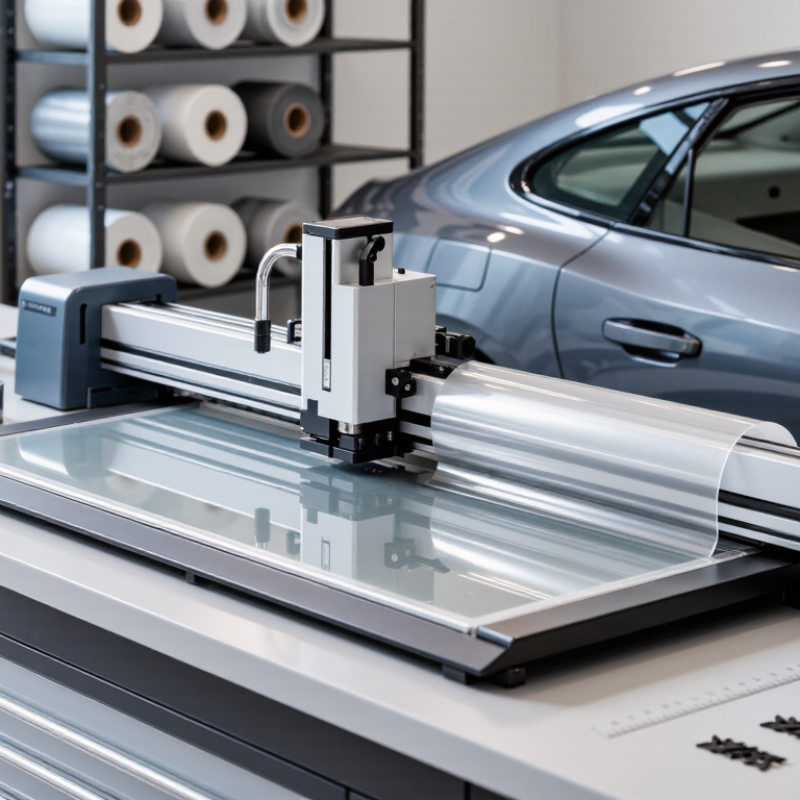
A PPF cutter is a digital cutting plotter used to shape paint protection film before installation. The installer selects a vehicle-specific template in software, then feeds film into the machine with its clear backing liner beneath it. A small blade follows the programmed lines, cutting the film—not the vehicle’s paint. The finished piece is peeled from the liner, positioned on a panel, and carefully smoothed into place. A clean cut matters. So does accurate alignment.
The process depends on more than the machine. Pattern accuracy, blade depth, film thickness, and feed tension all affect the result. If the blade cuts too deeply, it may score the liner and complicate handling. If the template is outdated, edges may sit unevenly around mirrors, sensors, or curved bodywork. Experienced installers often check fit before applying the film, because real panels can differ slightly from digital patterns. Calibration takes patience. It is easy to overlook.
A Grand View Research market report estimated the global paint protection film market at about US$389.8 million in 2023, with projected growth through 2030. That demand makes precise pattern cutting increasingly useful, though a plotter cannot replace skilled installation. Its best role is repeatable cutting and reduced hand trimming. The machine still needs a trained operator—and sometimes the pattern needs correction.
A high-quality PPF cutter should deliver repeatable, clean cuts, not just impressive speed. Grand View Research estimated the global automotive films market at USD 6.84 billion in 2023 and forecast 5.9% annual growth from 2024 to 2030. The report covers automotive films broadly, not cutting machines, so it signals market activity rather than proving a cutter’s quality. Still, growing installation demand makes precision and reliable daily operation important.
Look for adjustable blade pressure, steady feed rollers, and accurate alignment sensors. The blade should cut the film without scoring its release liner. Test this with your own material. Tiny corners reveal problems fast. Software should import common vector files and support dependable pattern scaling; check that updates and replacement blades are readily available. A rigid frame helps prevent drift on long cuts, while an emergency stop and clear controls make workshop use safer. Ask for a sample cut with a detailed pattern, then inspect its edges and repeatability. No machine is flawless. I would also check noise and setup time, though these details are easy to overlook when comparing specifications.
Making a PPF cutter in China begins with defining the film width, cutting area, and daily workload. Engineers convert these needs into machine drawings, then assemble the frame, guide rails, drive motors, blade holder, and control system. Alignment matters. A slightly skewed rail can shift a cut across a long hood pattern.
Technicians calibrate blade pressure and movement speed before testing sample film. They check corners, curves, and narrow channels under bright inspection light. Software and pattern files are tested too, since a clean machine can still produce poor results from inaccurate templates. Grand View Research estimated the global automotive films market at about USD 6.5 billion in 2023, with projected annual growth of 6.5% from 2024 to 2030. That figure covers more than PPF, so it signals broader demand, not cutter sales. Small errors spread. Factory quality records and repeatable test cuts offer more useful evidence than a polished product photo.
Tips: Ask for a live test using your film type. Check whether the cut leaves the vehicle surface untouched, and request documented calibration checks. Do not overlook after-sales support; it can be uneven.
| Evaluation Area | Typical Design or Manufacturing Detail | What Buyers Should Check |
|---|---|---|
| Choosing a PPF Cutter | ||
| Cutting technology | Most film-pattern plotters use a computer-controlled blade to cut a pattern through the film’s top layer while limiting pressure on the backing liner. | Check whether blade depth and cutting pressure can be adjusted and tested with the films used in your shop. |
| Machine format | Roll-fed plotters are commonly used for vehicle films because they feed material from a roll. The usable cutting width depends on the model. | Match the stated working width to the film rolls and largest patterns you plan to cut; distinguish working width from the machine’s overall width. |
| Feed and tracking | Pinch rollers and drive rollers move the film through the cutter. Alignment and traction affect whether long cuts remain on track. | Test feeding with the intended film and backing liner, including longer jobs. Look for consistent tracking and accessible roller adjustments. |
| Pattern software | Cutting software positions vector paths and sends instructions to the machine. Vehicle-pattern libraries may be supplied or licensed separately. | Confirm file compatibility, pattern-library coverage, update terms, language support, and whether software access requires an ongoing subscription. |
| Blade and consumables | Plotter blades are replaceable wear items. Blade angle and condition affect the cut, while cutting strips or mats can protect the machine surface. | Ask which blade types fit, how readily replacements are available, and whether routine consumables have clear specifications. |
| Control and connectivity | Depending on the model, a cutter may receive jobs through a computer connection or network interface and may include a local control panel. | Check supported operating systems, connection options, driver availability, and how the machine behaves after a power or connection interruption. |
| Best fit by workflow | A suitable cutter is one that matches the shop’s film width, pattern workflow, job volume, and available technical support; there is no single best configuration for every user. | Request a sample cut using your film, verify the complete software workflow, and compare warranty coverage, training, spare parts, and service response. |
| How PPF Cutters Are Commonly Made | ||
| 1. Mechanical design | Designers define the frame, roller arrangement, carriage travel, blade holder, electronics, and intended working width. | Review the stated specifications and confirm that the delivered model matches the configuration used for testing. |
| 2. Frame and component production | Structural parts are manufactured and finished; rollers, bearings, motors, carriage components, and electrical parts are sourced or produced to the design. | Ask about component specifications, assembly tolerances, and the availability of replacement parts. |
| 3. Electronics and firmware | The control board, motor drivers, sensors, and firmware coordinate carriage movement, material feed, and cutting commands. | Check that the controller and firmware support the advertised functions and that updates or troubleshooting documentation are available. |
| 4. Assembly and calibration | Technicians assemble the frame, feed system, carriage, and electronics, then calibrate motion and test blade movement and material feeding. | Request documented checks for alignment, repeatability, feed tracking, and cut quality on representative film. |
| 5. Software integration | The cutter is configured to receive jobs from compatible design or cutting software, with machine settings mapped to the controller. | Test installation, file transfer, pattern positioning, and a complete sample job before accepting the machine. |
| 6. Final inspection and packing | Finished machines are inspected, accessories are checked, and the unit is packed for transport. Packaging needs to protect the frame and moving parts. | Confirm the included accessories, packing method, installation instructions, warranty terms, and procedure for reporting transit damage. |
Compare Chinese PPF cutters by the work they can repeat, not by headline speed. Check usable cutting width, feed stability, and stated positioning repeatability. Ask for test results, not just a brochure figure.
Run the same film through each model. Test a long straight cut, a tight curve, and a small headlight pattern, then inspect edges for lifting or excess trimming. Test real film.
Also compare software pattern coverage, file import options, blade availability, and local service response. A fast machine may still waste film if feeding drifts on a long panel.
Grand View Research estimated the global automotive films market at about USD 6.5 billion in 2023 and projected continued growth through 2030 in its Automotive Films Market report. That market figure gives context, but it does not prove one cutter performs better. I would weigh verified sample cuts more heavily than market claims.
The best PPF cutter for a workshop is not automatically the fastest or most expensive model. It is the one that fits your daily jobs, staff skills, and available space. A small studio handling a few sedans needs a different setup from a shop cutting film for SUVs all day. Check the usable cutting width against the widest panels you regularly wrap, including hood and roof sections. Measure twice. A compact machine can save bench space, but may require splitting larger patterns, adding alignment steps, and creating more film waste.
Before choosing a China-made cutter, test how its software handles pattern updates, vehicle trims, and your preferred file workflow. Ask for a live demonstration using a familiar vehicle pattern, then inspect corners, narrow strips, and mirror pieces. Clean cuts matter, but stable tracking and repeatable registration matter just as much. Look for clear setup instructions, accessible replacement blades, and responsive technical support in your time zone. If operators change often, intuitive controls may beat extra features. Test it first. One detail is easy to overlook: patterns must match the vehicles actually arriving at your door. I would leave room for doubt; advertised speed rarely tells the whole story.