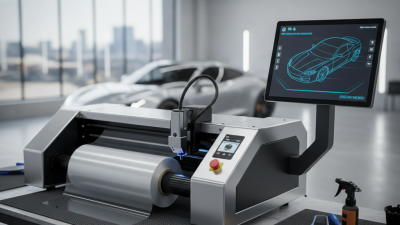
How to Choose the Best China PPF Cutting Plotter?
Choosing the right Ppf Cutting Plotter is no longer a simple price comparison. It affects film waste, installation speed, pattern accuracy, and customer confidence. A plotter that leaves rough corners on a Porsche hood can create costly rework within minutes. Small details matter.
Industry reports show why this equipment deserves careful evaluation. Grand View Research estimates that the global automotive films market will continue expanding through the decade, supported by vehicle customization and paint-protection demand. Fortune Business Insights also identifies automotive protection and appearance products as active growth segments. These reports do not measure every cutting-plotter sale directly, but they reveal a clear trend: installers need faster, cleaner, and more repeatable workflows. The XPEL and 3M installation ecosystems further demonstrate the importance of digital patterns, approved materials, and technician training.
A reliable Ppf Cutting Plotter should be judged beyond cutting speed. Check its blade-pressure stability, software compatibility, pattern-library access, maximum working width, and after-sales support in China. Ask for cutting samples using real TPU film, not only promotional demonstrations. Measure corner accuracy, liner handling, and material waste across several vehicle panels. A useful test may include a mirror, bumper curve, and headlamp edge. Results can vary. Even experienced installers sometimes overestimate software quality before testing local vehicle patterns. This guide compares practical specifications, supplier credibility, maintenance needs, and total operating costs. It also considers a difficult question: is the cheapest machine still economical after failed cuts, downtime, and training?
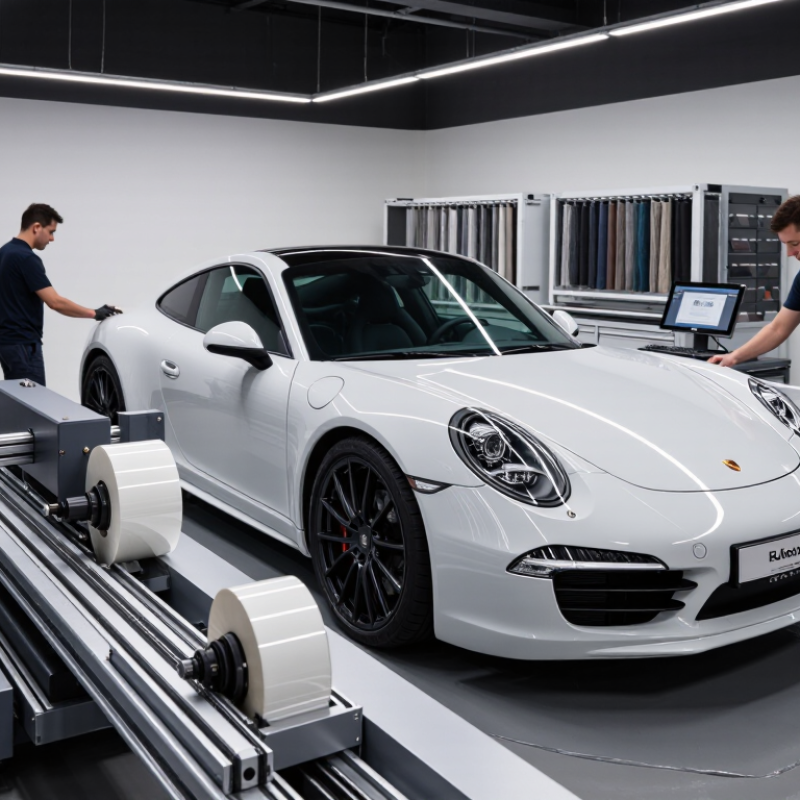
What Is a China PPF Cutting Plotter and How Does It Work?
How to Choose the Best China PPF Cutting Plotter?
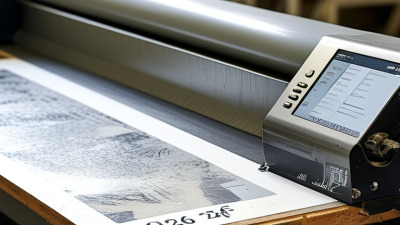
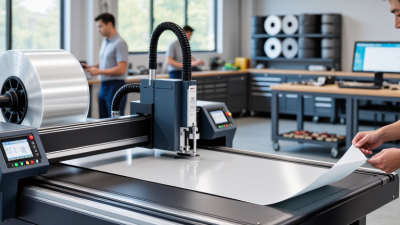
A China PPF cutting plotter is a computer-controlled machine for cutting paint protection film. It does not print graphics. Instead, a software file guides a sharp blade across TPU film. The operator selects a vehicle pattern, loads the roll, and adjusts speed, force, and blade depth. The plotter then follows digital contours around hoods, mirrors, bumpers, and door edges. A test cut matters. Too much pressure can mark the liner, while too little pressure leaves uncut sections.
Demand helps explain this equipment’s growth. OICA reported 93.5 million motor vehicles produced worldwide in 2023. Fortune Business Insights also estimated the global automotive paint protection film market at approximately USD 412 million in 2023, with continued growth expected through 2030.
These figures do not prove that every workshop needs an advanced plotter. They show why accurate, repeatable cutting is becoming commercially important.
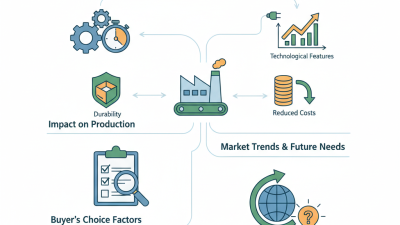
In practical use, buyers should examine pattern-library quality, cutting width, software updates, blade control, and after-sales training. Compatibility with common film thicknesses is essential. A wider machine is not automatically better. I have seen installers choose speed over edge accuracy, then waste material during fitting. That choice needs reconsideration. The best plotter should reduce trimming, protect the film liner, and support steady work under real workshop conditions. Small details matter.
How to Compare Cutting Accuracy, Speed, and Material Compatibility
How to Choose the Best China PPF Cutting Plotter?
Choosing a PPF cutting plotter requires more than checking its advertised resolution. In actual installation work, accuracy depends on blade control, tracking stability, and software calibration. A clean corner should remain clean after cutting long patterns. Ask for a sample test using your own PPF files. Measure small details, including door-handle openings and mirror edges. Tiny errors matter.
Speed should be judged during continuous cutting, not during a short demonstration. Run the same pattern at different speeds and inspect the film surface afterward. Watch for uneven curves, lifted edges, or liner damage. A machine that races may still waste material. I once preferred a faster setting, but it created extra trimming and rework. That choice saved minutes and lost time later. Practical testing reveals more than a specification sheet.
Material compatibility also deserves careful testing. Different TPU films can vary in thickness, elasticity, adhesive strength, and liner texture. Test several rolls before setting production parameters. Adjust blade pressure and cutting depth gradually. The liner can hide a weak cut until installation begins. Check whether the software supports custom patterns and accurate scaling. Do not trust default settings completely. Your best setting may still need adjustment.
How to Evaluate Software, Templates, and Workflow Efficiency
When choosing a China PPF cutting plotter, software deserves more attention than motor speed. A 2024 Grand View Research report estimates the global automotive films market will grow at about 5.9% annually through 2030. That growth increases pressure on installers to cut faster, waste less film, and repeat accurate results. Test the software with real vehicle files, not only showroom demonstrations. Check template coverage, scaling accuracy, mirrored panels, nesting control, and offline operation. A clean preview should show every cut before the film reaches the table.
Workflow efficiency is measurable. Record template search time, file preparation time, cutting time, and material waste for ten common panels. Deloitte’s 2024 Smart Manufacturing Survey found that 86% of manufacturing leaders view smart manufacturing as essential for competitiveness. That principle also fits PPF operations. Software should connect design, quotation, cutting, and job records without repeated data entry. Version control matters. An outdated hood template can create expensive rework. I have seen operators trust a perfect-looking preview too quickly; real installation feedback still exposes hidden errors around mirrors and sharp corners.
Tips: Ask for a trial using your own vehicle models. Measure waste by square meter, not by impression. Keep a short error log. It reveals patterns. Check whether templates can be edited locally and saved with clear revision dates. Also test recovery after power loss or network failure. Cloud features sound efficient, but unstable access can interrupt production. A fast plotter with weak software may become the slower choice.
How to Choose a Reliable China PPF Cutting Plotter Supplier
How to Choose the Best China PPF Cutting Plotter?
Choosing a reliable China PPF cutting plotter supplier requires more than comparing prices. Check the supplier’s production experience, technical team, and export history. A dependable supplier should provide clear specifications, machine videos, and real cutting samples. Ask for tests using your own paint protection film. Watch the blade follow sharp corners, narrow channels, and curved bumper patterns.
Small details matter.
Supplier communication reveals a lot. Replies should explain cutting accuracy, software updates, material compatibility, and maintenance needs. Avoid vague promises. Request a written quotation with installation, training, warranty, and spare parts included. A trustworthy supplier should also describe response times for technical problems. Remote support is useful, but local service arrangements can reduce downtime.
Inspect the machine before payment when possible. Check the plotter frame, feeding rollers, blade holder, and emergency stop. Ask for a live demonstration, not only edited videos. One common mistake is choosing the lowest price and ignoring software usability. That choice may save money initially, but waste film and labor later. I would also review customer references carefully, although references are never perfect evidence. Some suppliers communicate well before payment, then respond slowly afterward. A trial order can expose this weakness. Reliable cooperation grows from transparent documents, practical testing, and consistent support.