Leave Your Message

First Name *

Last Name

Phone/WhatsApp *

Your Message *

How to Choose the Best PPF Cutting Plotter?

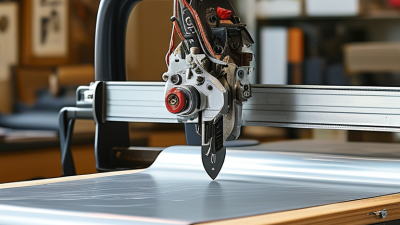
Choosing the right Ppf Cutting Plotter can strongly influence installation speed, material waste, and finished vehicle protection. A reliable machine should cut paint protection film accurately around mirrors, bumpers, door handles, and curved panels. Small errors become visible when film edges lift or overlap. They also increase labor costs.

Real workshop experience matters here. I have seen installers choose machines by cutting speed alone, then struggle with weak software support and inconsistent blade pressure. Speed is useful. Precision matters more. Check the plotter’s cutting tolerance, maximum film width, blade adjustment, and compatibility with common PPF patterns. The software should offer regularly updated templates and flexible editing tools. Test the workflow with several film brands before making a final decision. A plotter that handles thick protective film may still perform poorly on thinner polyurethane materials.

Look closely at practical details. Can one operator load a roll without wrinkling it? Does the machine maintain alignment during a long hood pattern? Is technical support available when calibration fails late in the day? These questions reveal more than attractive specifications. Some manufacturers publish impressive accuracy figures, but real performance depends on maintenance, operator skill, film condition, and installation temperature. No machine is perfect. That deserves honest consideration.

A dependable Ppf Cutting Plotter should fit your daily workload, available space, budget, and training level. Compare verified demonstrations, warranty terms, replacement parts, and user feedback from professional installers. The best choice is not always the fastest or most expensive model. It is the one that produces repeatable cuts and supports confident work.
How to Choose the Best PPF Cutting Plotter?

Understanding PPF Cutting Plotters and Their Applications

How to Choose the Best PPF Cutting Plotter?

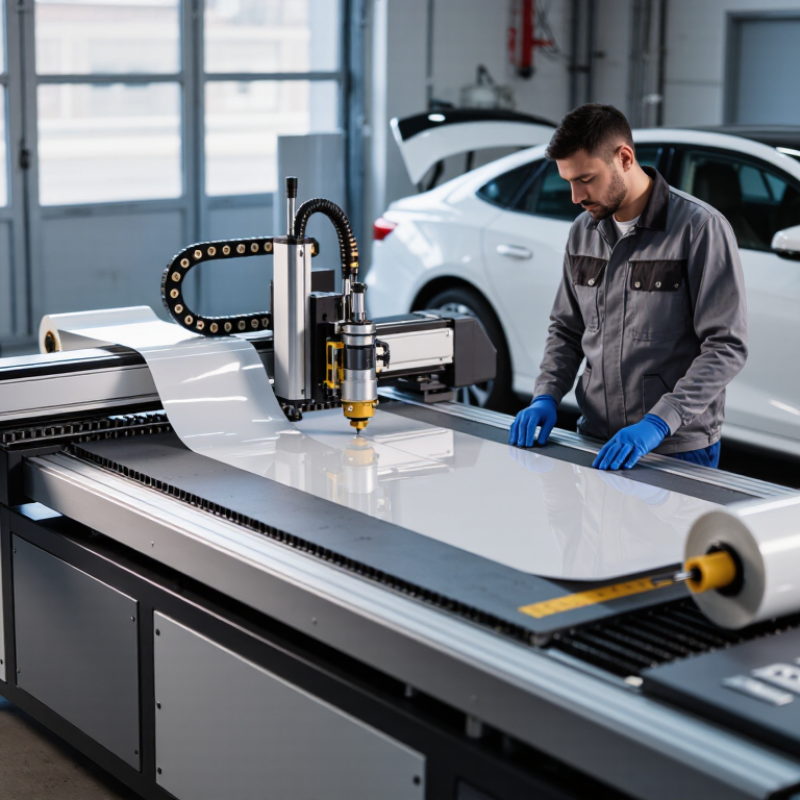
A PPF cutting plotter converts digital vehicle patterns into precise paint protection film pieces. It cuts the film without touching the vehicle’s paint. This matters around mirrors, door edges, sensors, and curved bumpers. In real installation work, accuracy saves film, labor, and rework. A 2024 Grand View Research report estimated the global automotive paint protection film market at over USD 400 million. It also projected steady growth through 2030. That growth increases demand for faster, cleaner pattern production. However, speed alone should not decide your purchase.

Look for adjustable blade pressure, reliable tracking, and an optical sensor. Cutting width should match your common vehicle panels. Software compatibility is equally important. A large pattern library reduces manual trimming, but no database is perfect. Some vehicle variations still require careful measurement. I would test difficult shapes before accepting a plotter’s advertised precision. Poor tracking can waste a full sheet on one long bonnet pattern.

Tips: Run a test cut on scrap film first. Check corners, narrow channels, and small sensor openings. Keep the blade clean and replace it when edges become rough. A 2023 Smithers industry analysis identified customization and protective surface technologies as important automotive aftermarket trends. Therefore, choose equipment that supports repeatable work, not only impressive specifications. The best plotter fits your film thickness, workspace, installer skills, and daily workload.

Identifying Essential Plotter Specifications and Features

How to Choose the Best PPF Cutting Plotter?

Identifying Essential Plotter Specifications and Features

A suitable PPF cutting plotter should match your daily workload, film types, and available workspace. Cutting width matters, but a wider machine is not automatically better. Measure your largest expected pattern and leave room for material handling.

A plotter with adjustable pinch rollers can reduce slipping on long cuts. This detail is easy to overlook.

Check the cutting force and blade control carefully. Paint protection film varies in thickness, stretch, and surface texture. Stable pressure helps create clean edges without cutting deeply into the liner.

Adjustable speed and acceleration are also valuable around sharp corners. Faster is not always better. In workshop testing, aggressive settings sometimes produced rough curves and wasted film.

An optical positioning sensor can improve alignment when printed registration marks are used. Software compatibility deserves equal attention, especially if your team already uses a digital pattern library.

Look for clear calibration tools, editable templates, and reliable file import options. Test the plotter with real film before purchasing.

Ask for sample cuts with narrow strips, tight corners, and long panels. Noise, maintenance access, emergency stopping, and replacement blade availability affect everyday reliability.

I would also record cutting results over several days, because one successful demonstration proves very little. Some machines need more manual adjustment than expected. That may be acceptable, but only if operators understand the process and receive proper training.

Matching Cutting Size and Accuracy to Your Workload

How to Choose the Best PPF Cutting Plotter?

Matching cutting size and accuracy to your workload starts with real measurements. Measure your largest regular panel, not an unusual project. A wider plotter can handle hoods and roofs with fewer joins. However, unused width may increase film waste and equipment costs. For mixed vehicle work, choose a cutting area slightly larger than your common panels. Accuracy matters just as much. Clean corners, smooth curves, and consistent repeatability reduce trimming around paint edges.

Tips: Test the plotter with your actual PPF material. Check narrow strips, tight curves, and long straight cuts. Review blade pressure and feeding stability during extended jobs. A machine may cut beautifully for ten minutes, then drift slightly after repeated rolls. That small error can become expensive.

Consider your daily workload before choosing advanced features. A small workshop may value easy setup and reliable positioning more than extreme speed. A busy installer may need faster feeding, better software control, and dependable repeat cuts.

Keep the working environment in mind too. Dust, temperature changes, and uneven film tension can affect results. A perfect specification sheet cannot replace a practical test. Sometimes, the cheaper-looking option creates more manual correction later. That is worth questioning.

Evaluating Software Compatibility and Pattern Libraries

How to Choose the Best PPF Cutting Plotter?

Software compatibility should guide your decision more than cutting speed. A plotter may accept common vector files, yet its software can distort scale or alter contour points. Check support for SVG, DXF, and PDF files. Confirm whether templates transfer through desktop software, cloud systems, or both. Grand View Research estimated the global automotive films market at about US$8.4 billion in 2022. That growth increases pressure for faster, repeatable digital workflows.

Pattern libraries deserve close inspection. A large library is not always a useful library. PPF templates should identify vehicle year, body style, trim, and panel direction. Look for adjustable seam allowances and editable mirror panels. In my workshop experience, inaccurate templates waste more film than slow cutting. One misplaced edge can leave a visible gap near a headlamp. It can also create unnecessary material waste.

Ask how often the library receives updates. New vehicle variations appear quickly. SEMA’s 2023 Market Report valued the U.S. specialty-equipment industry at roughly US$52.3 billion in 2022. That scale reflects strong customization demand, but it does not guarantee reliable patterns. Test several files before purchasing. Use a familiar hood, a complex bumper, and a curved mirror. I once trusted a broad library too quickly. The file looked correct onscreen, but its fender contour needed manual correction. That small failure changed my evaluation process. Practical testing remains essential.

How to Choose the Best PPF Cutting Plotter?

Evaluating Software Compatibility and Pattern Libraries

A practical evaluation should prioritize software compatibility and pattern-library coverage before cutting speed alone. The weighted framework below assigns the highest importance to file interoperability, vehicle-model coverage, and pattern accuracy, while also considering workflow integration, updates, and ease of use.

Comparing Costs, Maintenance, Support, and Long-Term Value

How to Choose the Best PPF Cutting Plotter?

Purchase price rarely shows the real cost of a PPF cutting plotter. S&P Global Mobility reported that the average U.S. vehicle age reached 12.6 years in 2024. That aging fleet supports steady repair and appearance work, but only when equipment remains productive. Compare software fees, blade holders, cutting mats, electricity, training, and expected downtime. A cheaper machine may require more manual trimming. That creates waste, rework, and inconsistent edges.

Maintenance should be measured, not guessed. During a practical trial, cut ten identical templates and record setup time, failed cuts, blade changes, and material waste. Check whether cleaning instructions are clear and replacement parts are readily available. The U.S. Bureau of Labor Statistics reported a median annual wage of 47,770 dollars for automotive service technicians and mechanics in May 2023.

Even short delays can become expensive when skilled labor waits beside idle equipment. Fast support matters more than a polished brochure. Ask for response targets, remote diagnosis, training access, and escalation procedures.

Long-term value also depends on workflow flexibility. Test complex curves, narrow panels, and repeated production runs. Confirm that files can be edited without rebuilding every pattern. A useful calculation divides the total five-year cost by completed vehicles, not machine purchase price.

I once overvalued cutting speed and underestimated maintenance time. That mistake still matters.
The best choice is the plotter that delivers predictable cuts, manageable upkeep, and support your team can actually use.