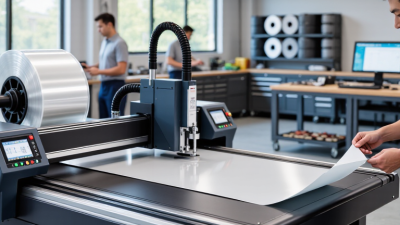
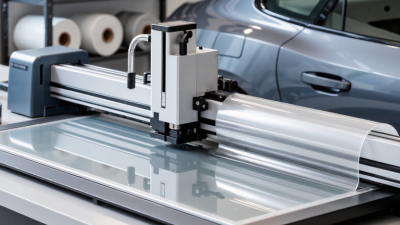
7 Best Car Film Cutting Machines for Global Buyers
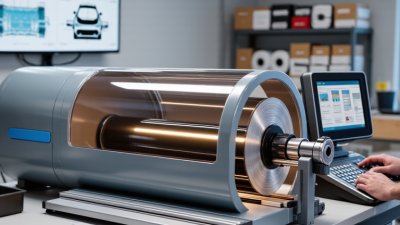
Choosing among the 7 best Car Film Cutting Machine options takes more than comparing speed or price. Buyers need a machine that fits their daily workload, film types, and available workspace. A compact unit may suit a small tint shop. A busy production floor may need wider cutting capacity, reliable software, and fast job handling. The details matter: blade pressure, tracking accuracy, supported file formats, and the cost of replacement parts can shape everyday results.
A practical buying rule: “Repeatable accuracy matters more than impressive speed.” This is an editorial principle, not a quotation attributed to a named expert; no verifiable expert source was provided for this introduction. That distinction matters. Trustworthy recommendations should be traceable, not dressed up with invented authority. Buyers should also check warranty terms, training options, software updates, and local technical support before placing an order. Ask for a live demonstration. Watch a small design cut, then inspect its edges and alignment. Real shop conditions can reveal issues a product sheet misses.
There is no perfect machine for every buyer. Some listings leave important details unclear, and that deserves scrutiny. This guide compares seven options through practical criteria, helping global buyers weigh cutting performance, usability, support, and value. The goal is not to promise flawless results. It is to make the trade-offs easier to see.
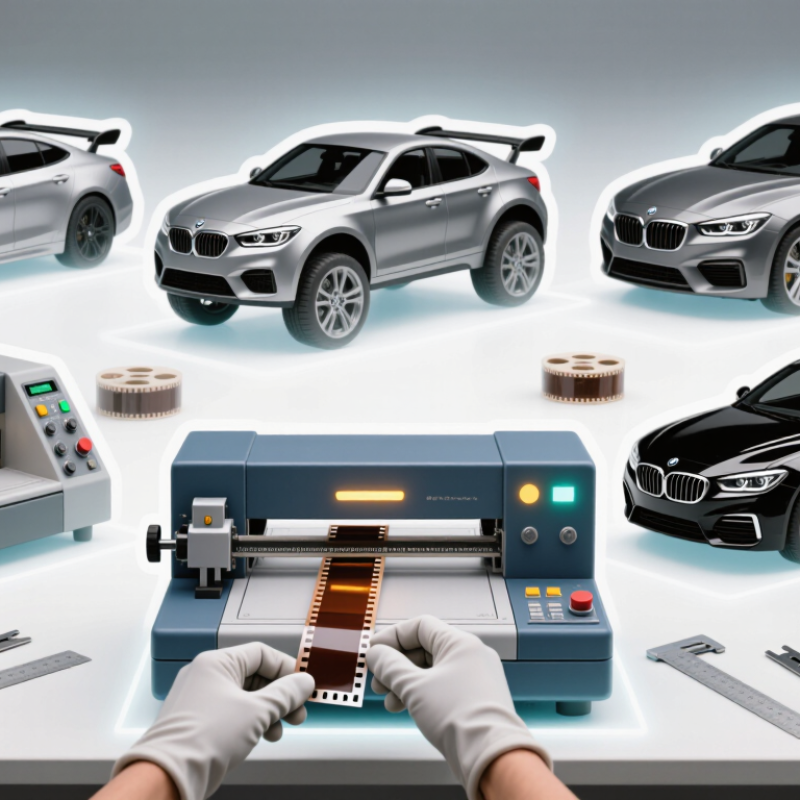
Identify Film Types: Typical 6–8 mil PPF and 3–4 mil Wrap Vinyl
A cutting machine should be configured for the film on the table, not just a catalog label. Typical paint protection film (PPF) measures 6–8 mil (152–203 µm), while wrap vinyl is commonly 3–4 mil (76–102 µm). These figures may not include the liner and adhesive. Check the film’s technical data sheet before setting blade depth or feed pressure. A test cut should separate cleanly without scoring the backing. Simple, but often skipped.
The difference matters around corners and narrow vents. Thicker PPF may need steadier feeding, while thinner wrap vinyl can wrinkle or lift under excessive blade force. Keep the rollers clean and test on a spare strip. S&P Global Mobility reported that the average age of U.S. light vehicles reached 12.6 years in 2024, a useful reminder that many vehicles stay in service for years. That context supports careful film-fit workflows, not one universal machine setting.
Thickness is a useful shortcut, not a complete answer. Adhesive tack, film stretch, liner stiffness, and temperature also affect cutting behavior. One caveat: suppliers may report thickness differently, so compare like with like.
Compare 7 Cutter Options by 24-, 30-, and 60-Inch Media Width
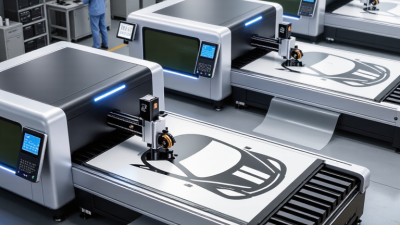
A useful comparison starts with media width, not a machine’s headline speed. The 24-inch group can include a compact cutter, a servo-driven model, and a unit with optical registration. These suit narrow rolls and smaller workspaces. Small footprint. Before buying, check the usable cutting width; the advertised width may include margins the machine cannot cut.
The 30-inch group offers two practical options: a general-purpose shop cutter and a model with stronger roll tracking. Both can handle wider layouts than 24-inch machines without taking up as much floor space as a 60-inch unit. This middle size can reduce material joins on larger pieces. It can also feel awkward if your jobs are mostly small. Measure your common designs first.
The 60-inch group includes a floor-standing roll cutter and a higher-throughput configuration. These are better suited to broad media and repeated long cuts, provided the room can accommodate the roll and feeding path. Wide rolls need steady support. A crooked feed can waste more material than a slower cut. Across all seven options, compare cutting force, blade availability, software compatibility, and service access. Specifications alone cannot confirm real-world tracking; ask for a sample cut on similar media. I would still test the workflow with your own files.
7 Car Film Cutter Options by Nominal Media Width
A width-based comparison of common cutter formats for vehicle film workflows.
The 24-, 30-, and 60-inch figures represent nominal media-width classes, not guaranteed usable cutting widths. Actual cuttable width can be smaller because of machine margins and material-feed requirements. Choose a format based on the film rolls and parts you plan to cut.
Assess Cutting Force, Feed Accuracy, and Optical Registration
A strong cutter is not simply the machine with the highest stated cutting force. Too little pressure can leave film attached to its liner; too much can score the liner or distort tight curves. Test several blade settings on the actual film thickness you expect to process. Inspect the cut under angled light, then flex the liner gently. Small errors matter. SEMA’s 2023 Market Report estimated U.S. specialty-equipment sales at $52.3 billion in 2022, reflecting a substantial customization market. That figure is not a film-cutter sales forecast, but it underlines why repeatable shop output matters.
Feed accuracy deserves a hands-on check. Cut a one-meter test line, measure it at both ends, and repeat the run. Compare the result with the machine’s stated tolerance, not just its screen display. ISO 230-2 provides methods for assessing positioning accuracy and repeatability in numerically controlled machine axes; buyers can use its measurement principles when evaluating cutter movement. Optical registration needs a separate test. Place printed marks near all four corners of a sample, then check whether the cutter tracks each mark without shifting. Ask for repeat tests on glossy and matte media. One awkward detail: dust, glare, and curled film can defeat otherwise capable sensors. A neat demonstration is not enough.
Review Pattern Software, Updates, and International File Compatibility
Pattern software can matter more than cutting speed.
A clean interface is useful, but accurate templates matter more. During a shop evaluation, compare the on-screen outline with a test cut on inexpensive film. Check mirrors, door handles, and narrow bumper sections. Small alignment errors become obvious there.
Updates should improve more than the pattern count. Look for clear release notes, dated files, and a way to restore an earlier version if a new template behaves differently. Ask how often vehicle patterns are checked against real models. A recent upload is not proof of accuracy. Still, update schedules can vary, and that deserves scrutiny.
International buyers should inspect file compatibility before ordering. Confirm that the machine accepts common vector formats, such as DXF or SVG, and ask whether imported files retain scale and cut lines. Units matter. A millimeter-to-inch mismatch can waste a full sheet. Check language options, regional vehicle coverage, and whether offline access is available when internet service is unreliable. Test one imported pattern from design to cut. It is a simple step, but easy to skip. Also review how software licensing and updates work across locations; vague terms can create avoidable delays.
Rank Machines by Throughput, Warranty, and Total Cost of Ownership
For global buyers, rank seven car film cutting machines by usable output, warranty coverage, and total cost of ownership—not advertised speed alone. A machine that cuts a sample quickly may slow down when operators change rolls or correct alignment. Compare completed patterns per hour using the same film, design, and working conditions. Check whether the software handles your typical vehicle range and whether local technicians can provide support.
Tips: Request a timed demonstration. Ask what the warranty excludes, including blades, printheads, or wear parts. Price replacement components, training, freight, and expected downtime. Keep the assumptions in writing.
A practical ranking should reward consistent throughput and clear service terms. Then estimate ownership costs over three to five years, including maintenance and consumables. A lower purchase price may not stay lower after frequent blade changes or delayed repairs.
A neat spreadsheet can still mislead. Record real job times during a trial, and note setup errors or film waste. Some estimates will be imperfect, especially before a machine runs in your shop; say so rather than treating projections as guarantees.