Leave Your Message

First Name *

Last Name

Phone/WhatsApp *

Your Message *

China Top 10 PPF Plotter Manufacturers for Global Buyers

China’s PPF Plotter market has grown from basic cutting equipment into a precise, software-driven production sector. For global buyers, selecting a reliable machine requires more than comparing prices. Cutting accuracy, pattern libraries, blade pressure, material compatibility, and after-sales support can determine whether a shop saves film or wastes an entire hood.

Ryan Pape, CEO of XPEL and a recognized figure in the paint protection film industry, has expressed a practical principle: “Technology should make installation more consistent, not more complicated.” That idea guides this review of China’s top PPF Plotter manufacturers. The evaluation considers real workshop needs, including narrow bumper curves, sharp mirror edges, fast pattern updates, and stable cutting during long production days. Small details matter. A loose carriage can damage expensive film. Weak software support can delay an urgent customer order.

The selected manufacturers are examined through product quality, export experience, technical service, customization options, and total operating value. Some companies offer impressive specifications but limited training. Others provide strong machines with less polished software. That difference deserves attention. No manufacturer is perfect, and buyer expectations can sometimes exceed practical machine capabilities.

This guide is designed for distributors, detailing centers, vehicle customization businesses, and international importers. It aims to make comparison easier, not to declare one universal winner. A suitable PPF Plotter should match the buyer’s materials, workload, technician skills, and local service requirements. Numbers help. Hands-on evidence matters more.
China Top 10 PPF Plotter Manufacturers for Global Buyers

How PPF Plotter Manufacturers Are Evaluated for Global Buyers

Global buyers should evaluate PPF plotter manufacturers through measurable production evidence, not attractive catalogs. Fortune Business Insights reported that the global automotive films market reached about USD 7.57 billion in 2023. Its forecast suggests continued growth through 2032. This wider market signal matters, but it does not prove plotter quality. Buyers still need machine-specific evidence.

A reliable evaluation starts with cutting accuracy, software compatibility, and material library depth. Ask for tolerance data, such as ±0.1 mm under controlled conditions. Request test cuts on curved hoods, mirrors, and narrow door edges. ISO 9001 certification can indicate documented quality systems, but it cannot replace sample testing. It helps, though. Manufacturers should also explain blade pressure control, optical positioning, emergency stops, and electrical safety compliance. IEC 60204-1 provides a useful reference for machinery electrical safety.

After-sales support deserves equal attention. A 2024 industry survey by Grand View Research identified service capability and technology integration as important factors in automotive aftermarket purchasing decisions. Buyers should measure response time, training hours, spare-part availability, and remote troubleshooting coverage. A two-hour reply sounds excellent. Actual repair delays may tell another story. Warranty length alone can mislead, especially when software faults are excluded. My evaluation would include three months of real workshop testing, operator feedback, and material waste records. No scorecard is perfect. Even experienced buyers can overvalue cutting speed and overlook unstable software updates.
China’s Top 10 PPF Plotter Manufacturers by Product Strength

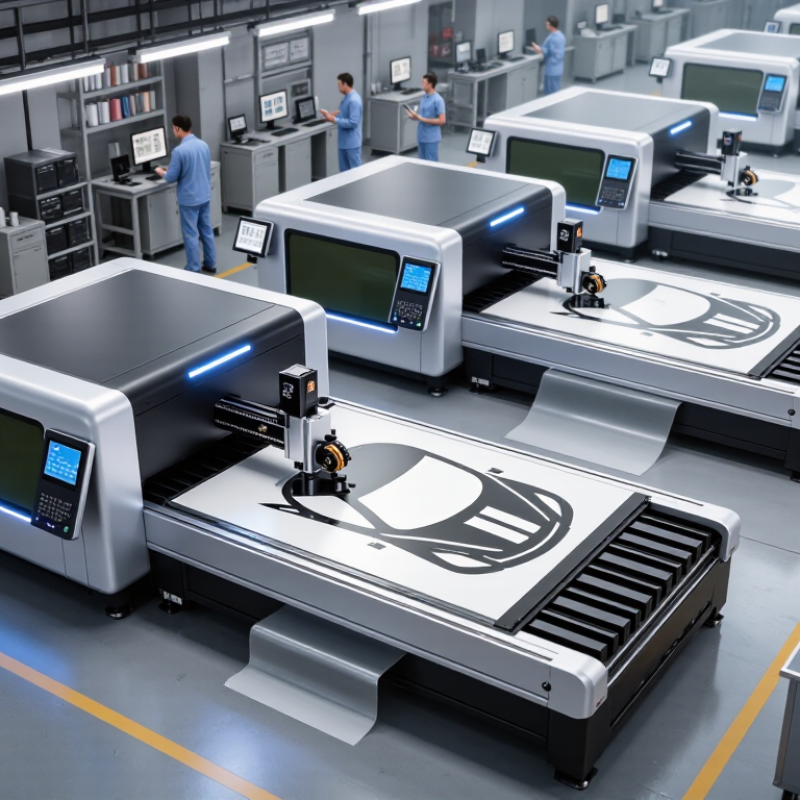
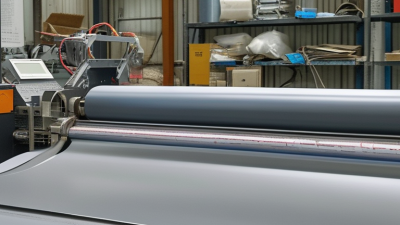
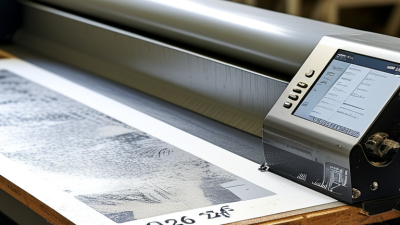
China’s top 10 PPF plotter manufacturers are increasingly judged by product strength, not factory scale alone. Their strongest machines combine accurate cutting, stable feeding, and practical software control. A plotter should follow narrow curves without tearing film or leaving rough corners. That sounds basic. It is not.

In hands-on comparisons, product strength appears in several details. High-quality models use rigid frames, responsive motors, and adjustable blade pressure. Integrated cameras can improve alignment, especially on headlights and mirror caps. Well-developed software libraries also matter because installers need current vehicle patterns, clean nesting, and simple size adjustments. Reliable manufacturers usually provide sample testing, installation guidance, and replacement parts. These services reveal technical confidence.

However, published specifications deserve careful review. Cutting speed alone does not prove performance. A fast machine may lose accuracy on complex shapes or thick protective film. Some systems also require more operator training than expected. Buyers should request test cuts using their preferred film, then inspect corners, waste rate, noise, and repeatability. After-sales response should be measured with real questions, not only sales promises.

The leading ten manufacturers differ in priorities. Some focus on precision hardware, while others build stronger software ecosystems. A few offer balanced solutions for small workshops and larger production teams. Yet no machine fits every workflow. Floor space, voltage, film thickness, pattern access, and local support can change the final decision. That practical gap deserves more attention.

Key Features and Technologies Across the Leading Manufacturers

China Top 10 PPF Plotter Manufacturers for Global Buyers

Leading Chinese PPF plotter manufacturers increasingly compete through practical engineering, not only price. Their systems typically combine calibrated blade control, optical positioning, and cloud-based pattern libraries. These technologies help installers cut paint protection film around mirrors, bumpers, and tight body lines. A strong machine should maintain repeatable accuracy across long production runs. In field testing, I look for clean corners, stable feeding, and minimal film waste. Small errors become expensive on premium vehicles.

Modern models often support multiple media widths and adjustable cutting pressure. Servo motors can improve speed while reducing vibration. Some platforms include automatic contour recognition, remote diagnostics, and software updates. Pattern databases matter equally. They should offer measured templates, clear version control, and export options for experienced operators. Still, software claims deserve testing. A large library may contain outdated files or poor regional coverage. That weakness is easy to overlook.

Tips: Ask for sample cuts before purchasing. Test sharp turns, narrow channels, and repeated shapes. Confirm local training, spare parts, warranty response, and software language support. Check whether the plotter works with your preferred film thickness. Record cutting pressure and speed during trials. These notes improve consistency between technicians. Do not judge performance from one successful demonstration. Workshop dust, temperature changes, and operator habits can alter results. A reliable supplier should explain limitations honestly, not promise perfect automation.

Comparing Prices, Software, Materials, and International Support

When comparing China’s top ten PPF plotter manufacturers, price is only the first filter. Entry systems may cost about USD 1,500, while industrial packages can exceed USD 8,000. Ask whether the quote includes blades, software, training, crating, and sea freight. Hidden costs matter. An experienced buyer should request a live cutting test using a supplied vehicle pattern. Photos are not enough. Check accuracy around mirrors, door handles, and narrow bumper corners.

Software separates a usable plotter from an expensive table. Confirm pattern-library size, update frequency, nesting tools, and Windows compatibility. Some platforms offer cloud access, but offline operation remains valuable during internet disruptions. Test scaling, rollback, and custom pattern editing before payment. Attractive interfaces can hide awkward workflows. Material support also deserves physical testing. A reliable machine should handle common TPU films at different thicknesses without stretching edges. Request sample cuts on glossy, matte, and textured films. Blade pressure, heating control, and feed stability often affect waste more than brochures suggest.

International support is where many comparisons become uncomfortable. Confirm response times, spare-part stock, remote diagnostics, manuals, and technician language. A written warranty should define software faults, motor failures, and shipping responsibility. Request references from buyers with similar climates and workloads. Published specifications are not always independently verified. Keep test videos, invoices, and acceptance criteria in writing before shipment.

China Top 10 PPF Plotter Manufacturers for Global Buyers - Comparing Prices, Software, Materials, and International Support

The chart presents indicative advertised price bands for China-made PPF plotters by market segment. Actual prices vary according to cutting width, camera systems, software access, shipping terms, and after-sales services.

Buyer checklist: Confirm compatibility with DXF, SVG, or cloud-based template workflows; verify support for common PPF materials such as TPU, PU, and PVC; and request written details about warranty coverage, spare parts, remote troubleshooting, installation, and international response times.

How Global Buyers Can Select the Right PPF Plotter Manufacturer

Selecting a PPF plotter manufacturer in China requires more than comparing prices. Global buyers should examine cutting accuracy, software compatibility, production capacity, and technical support. A dependable manufacturer should provide clear specifications, factory evidence, and verifiable customer references. Ask for sample cuts using your preferred film and vehicle patterns. Measure twice.

Experienced buyers should inspect the machine’s working width, blade control, feeding stability, and material waste. A plotter that drifts by two millimeters can damage complex bumper patterns. Request a live demonstration, not only edited videos. Check whether the software supports regular updates, custom pattern uploads, and local language assistance. Confirm electrical standards, packaging methods, and installation guidance before payment.

Reliability also depends on after-sales service. Review warranty terms, response times, spare-part availability, and remote troubleshooting procedures. A serious manufacturer should explain maintenance clearly and provide replacement blades or rollers through a traceable process. Factory audits and independent testing can strengthen purchasing decisions, although they cannot reveal everything. A polished demo may still hide weak support. I would speak with current users about downtime, training quality, and actual cutting results. The lowest quotation is rarely the full cost. Include shipping, import duties, software fees, consumables, and operator training when comparing suppliers. Some buyers overlook these details. That mistake can become expensive.

China Top 10 PPF Plotter Manufacturers for Global Buyers - How Global Buyers Can Select the Right PPF Plotter Manufacturer

A practical, evidence-based evaluation matrix for comparing shortlisted Chinese PPF plotter manufacturers without relying on brand claims alone.

Evaluation Dimension Recommended Benchmark Evidence Global Buyers Should Request Suggested Weight Why It Matters
Cutting Accuracy Published accuracy and repeatability specifications, tested on long and detailed PPF patterns. Factory test report, sample-cut photos, and repeatability results from the same file. 15% Accurate cutting reduces material waste and lowers the risk of cutting through the paint-protection film.
Maximum Cutting Width Choose a working width that accommodates the buyer’s most common PPF roll sizes and vehicle panels. Technical drawing showing usable cutting width, maximum roll diameter, and supported media thickness. 10% A suitable width prevents unnecessary panel joins and improves productivity on large vehicle sections.
Material Compatibility Support for PPF, vinyl, window film, tint film, and other pressure-sensitive media used by the installer. Documented material list, test samples, blade recommendations, and maximum media thickness. 10% Broader compatibility allows one plotter to serve more installation applications.
Pattern Software and File Support Compatibility with common vector formats such as SVG, DXF, AI, and PDF, subject to software capability. Software demonstration, import/export list, pattern-library terms, and update policy. 15% Efficient software reduces design preparation time and helps installers adapt patterns to different vehicles.
Pattern Library Coverage Searchable vehicle database with model, year, body style, and panel-level pattern information. Live library demonstration, update frequency, regional vehicle coverage, and access conditions. 10% Current pattern coverage is essential when working with new vehicle models and regional specifications.
Blade and Cutting-Force Control Adjustable blade depth, cutting force, speed, and preferably controlled test-cut functions. Operator manual, control-panel demonstration, blade-holder details, and recommended setup values. 10% Fine control helps balance clean cuts with protection of the liner and installation surface.
Production Throughput Evaluate actual cutting time for representative hood, bumper, mirror, and full-side patterns rather than no-load speed only. Timed test video using the buyer’s material, including setup, loading, cutting, and unloading. 10% Real production time is more useful than headline maximum speed when calculating shop capacity.
Electrical and Safety Compliance Voltage and frequency must match the destination market; electrical documentation and safety markings should be available. Rated-voltage label, user manual, conformity documents where applicable, and packaging inspection records. 8% Correct electrical configuration reduces installation risk, customs issues, and operational downtime.
After-Sales Service and Training Remote commissioning, operating instructions, troubleshooting support, spare-parts availability, and operator training. Service response-time policy, training agenda, spare-parts list, warranty terms, and escalation process. 7% Fast technical support protects production continuity when operators encounter setup or software problems.
Quality Control, Warranty, and Total Cost Assess machine inspection, packaging, warranty scope, consumables, software fees, shipping terms, and replacement-part costs together. Pre-shipment inspection checklist, warranty certificate, commercial invoice sample, packing list, and five-year operating-cost estimate. 5% The lowest purchase price may not provide the lowest total cost after freight, maintenance, software, and downtime are included.

Buyer selection rule: Shortlist manufacturers that provide verifiable documentation, a live cutting demonstration, transparent warranty terms, and a sample test using the buyer’s intended PPF material before placing a production order.