What Is the Best China Tint Cutting Software?
Choosing the best Tint Cutting Software now requires more than comparing subscription prices. Modern installers need accurate patterns, fast updates, reliable vehicle coverage, and simple plotter control. A missed mirror edge can waste film, time, and customer confidence.
Industry demand supports this shift. Fortune Business Insights valued the global automotive films market at approximately USD 5.41 billion in 2023. It projects the market to reach about USD 8.67 billion by 2032. Grand View Research also reports continued growth in automotive window films through this decade. These figures suggest stronger pressure on tint shops to improve production efficiency, not merely increase sales.
Chris West, founder of Tint Wiz and a recognized tint-industry software specialist, has stated, “Software should make the installer’s day easier, not add another layer of work.” That principle is practical. The best platform should reduce searching, resizing, trimming, and rework. It should also support real workshop conditions, including dusty benches, rushed appointments, and inconsistent internet access.
Still, no platform is perfect. Some systems offer impressive databases but weak editing tools. Others provide excellent cutting control but limited support. That matters. A shop cutting five vehicles daily may value automation, while a custom installer may need precise manual adjustments. This guide compares leading options through pattern accuracy, workflow speed, update quality, device compatibility, pricing, and user support. The final choice should come from measured testing, not attractive screenshots. A short trial can reveal more than a polished sales page.
What Is China Tint Cutting Software?
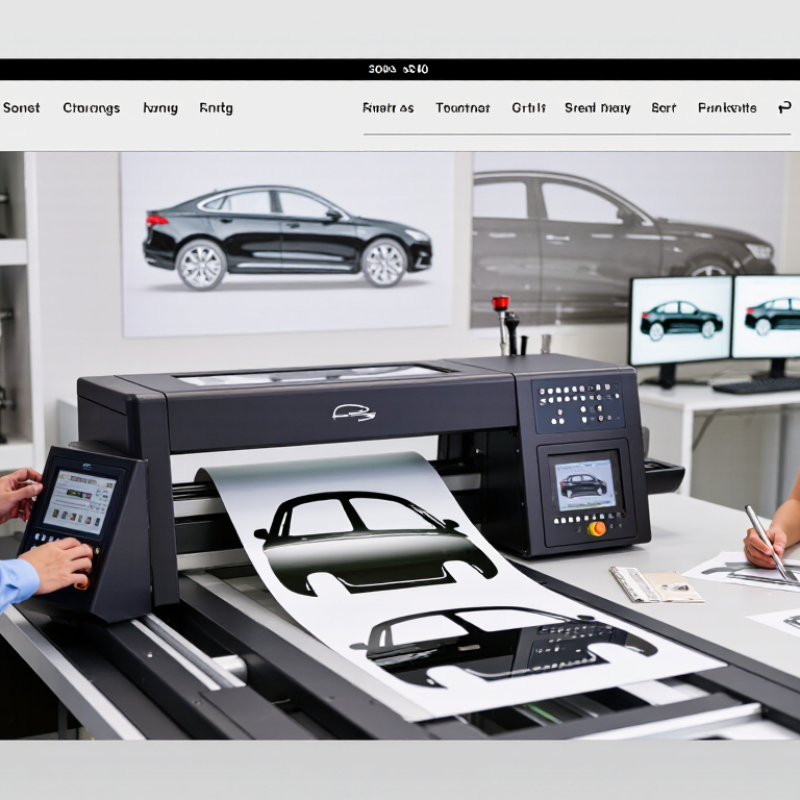
China tint cutting software is a digital system for preparing precise patterns for window film and paint protection materials. It usually connects a vehicle template library with a cutting plotter. Technicians select a car model, choose a panel, and adjust the pattern before cutting. The process reduces manual tracing, wasted film, and uneven edges. In practical workshops, the software also helps store job records and repeat common installations.
The strongest systems offer accurate templates, clear measurements, and regular data updates. They should support common file formats, local language settings, and reliable plotter communication. A useful interface matters when a technician works beside a noisy cutting machine. Preview lines should be easy to inspect on a large screen. Small errors can become expensive. A two-millimeter mismatch may expose glass or create a visible crease.
Choosing the best China tint cutting software requires testing real vehicles, not only watching a demonstration.
Ask whether the library covers older models, regional trims, and unusual glass shapes. Check how quickly staff can correct a template. Security and licensing should also be transparent and lawful.
My practical concern is simple: no database is perfect. Templates still need human inspection. Experienced installers often make a final adjustment after checking the film against the window. That extra step takes time, but it prevents blind trust in software.
How Does Tint Cutting Software Work?
What Is the Best China Tint Cutting Software?
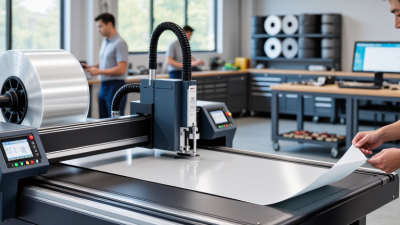
Tint cutting software works by converting a vehicle window pattern into a precise cutting path. A technician selects the vehicle model, window position, and film width. The software then calculates the pattern and sends cutting instructions to a compatible plotter.
The process is practical, not mysterious. A technician loads the film with its liner facing correctly. The machine reads the material edge and follows the digital outline. It cuts the film without cutting through the liner, allowing the piece to be carried to the glass. Small errors matter. Dust, film tension, or a worn blade can change the result.
Reliable software should provide accurate vehicle data, adjustable scale settings, and clear pattern previews. Experienced installers usually compare the digital pattern with the actual window before installation. They may make a test cut on inexpensive material first. This step prevents waste and reveals problems with curved edges, mirrors, or unusual glass shapes.
The best option for a China-based workshop is not simply the one with the largest database. It should support local vehicle models, common film sizes, stable plotter communication, and regular pattern updates. Technicians should also be able to edit a pattern manually. Databases are useful, but they are not perfect. A model year may differ slightly, and one factory window may not match another. Careful measurement and recorded adjustments make the final result more dependable.
What Features Define the Best Tint Cutting Software?
The best China tint cutting software should do more than store vehicle templates. It must reduce waste, protect installation quality, and work reliably in busy tint shops. SEMA’s 2024 market report valued the U.S. specialty-equipment industry at $52.65 billion in 2023. That scale reflects rising demand for faster, repeatable aftermarket work.
Template accuracy is essential.
The software should offer regularly updated vehicle data, clear model-year identification, and adjustable edge allowances. A practical interface should support hood, glass, roof, and side-window patterns separately. It should also allow installers to mirror, rotate, resize, and nest patterns before cutting.
Small errors matter.
A two-millimeter mismatch can create visible gaps around a window seal.
Strong software needs dependable machine communication, offline access, and automatic file backups. Cloud synchronization helps multi-location teams, while user permissions reduce accidental edits. Grand View Research reported continued growth in the global automotive films market, with a projected 5.6% compound annual growth rate from 2024 to 2030. More demand means more pressure on production speed and consistency.
Speed alone is not enough.
A cutting preview should show material use clearly. Waste tracking would be valuable, although many systems still handle it poorly. I would also test customer support before choosing a platform.
No tool is perfect. Experienced installers still inspect every pattern, especially on older vehicles, modified glass, and unusual trim. Reliable results come from software, measurement, and human judgment working together.
Which China Tint Cutting Software Options Stand Out?
Which China Tint Cutting Software Options Stand Out?
China tint cutting software stands out when it solves workshop problems, not just design problems. In daily installation work, the strongest options usually offer large vehicle-pattern libraries, accurate resizing, plotter compatibility, and quick updates. A 2024 Grand View Research report places the global automotive films market on a steady growth path, with demand supported by vehicle customization and heat-control needs. That growth increases pressure on installers to reduce film waste and cutting errors.
Practical testing matters. Measure a curved side window, import the pattern, and compare its edge alignment after cutting. Cloud-based libraries can save time, especially when new vehicle models appear quickly. However, data quality varies between platforms. Some patterns still need manual adjustment. That is not a small issue. An installer may lose several minutes on every difficult window. Software should also record job history, support local measurement habits, and export clean files to common cutting equipment. Independent review data from automotive aftermarket surveys repeatedly identifies speed, reliability, and operating cost as major purchase factors, though software-specific comparisons remain limited.
Tips: Ask for a trial pattern before paying. Test a windshield, a tight rear quarter window, and a full side set. Check cutting tolerance, update frequency, offline access, and customer support response time. Keep a small waste log for two weeks. The cheapest option may become expensive through repeated corrections. I would also question perfect accuracy claims; real glass curves, old templates, and rushed measurements can still create mistakes.
How Should You Choose the Right Tint Cutting Software?
Choosing the right tint cutting software starts with your actual workflow, not a long feature list.
Measure your daily jobs, vehicle types, and staff experience before comparing systems. A clear interface matters when technicians work under time pressure. They should find a vehicle pattern in seconds, not minutes.
Check the pattern library carefully.
It should cover common models, different glass shapes, and regular updates. Ask how corrections are reviewed and added. Poorly aligned patterns can waste film, time, and customer trust.
Test the software with a difficult rear window. Watch the cut path, edge allowance, and material usage. Small details matter.
File compatibility is also essential.
The software should work smoothly with your plotter and support common design formats. Look for adjustable scaling, mirrored cutting, and simple pattern editing. Reliable technical support can prevent a minor error from stopping production. Data security deserves attention too, especially when customer records are stored online.
In my experience, training is often underestimated.
Even capable technicians need practice with unfamiliar controls. No system is perfect. I once focused too heavily on automation and overlooked editing speed. That mistake delayed several installations.
A short trial period can reveal such problems before purchase. Choose measurable performance over impressive promises, and record waste, cutting time, and correction frequency during testing.