Leave Your Message

First Name *

Last Name

Phone/WhatsApp *

Your Message *

Top PPF Cut Program Software for Global Buyers?

Choosing the right Ppf Cut Program can shape installation quality, workflow speed, and customer confidence across different markets. Global buyers need more than a long template library or attractive pricing. They should examine vehicle coverage, film compatibility, cutting accuracy, user controls, and update frequency. A program that performs well in one workshop may struggle with regional vehicle models or unfamiliar film brands.

Real experience matters here. Installers often notice small issues first: a bumper pattern that needs trimming, a missing mirror template, or a plotter connection that drops during a busy afternoon. These details affect labor time. They also affect trust. Reliable software should offer clear documentation, responsive technical support, and secure access for authorized users. Transparent licensing terms are equally important for distributors, franchise groups, and independent shops.

No single platform fits every buyer. That is the uncomfortable part. Some programs provide extensive databases but feel difficult for new technicians. Others are simple to learn but offer fewer customization tools. Buyers should test sample patterns, inspect edge allowances, and confirm export formats before committing. A short trial can reveal more than a polished sales page.

This guide compares leading Ppf Cut Program options for global buyers. It considers practical performance, training needs, service quality, and long-term value. Independent feedback is useful. Still, every workshop should verify results with its own plotter, software environment, and preferred protection film. Small tests prevent expensive assumptions.
Top PPF Cut Program Software for Global Buyers?

What Is PPF Cut Program Software?

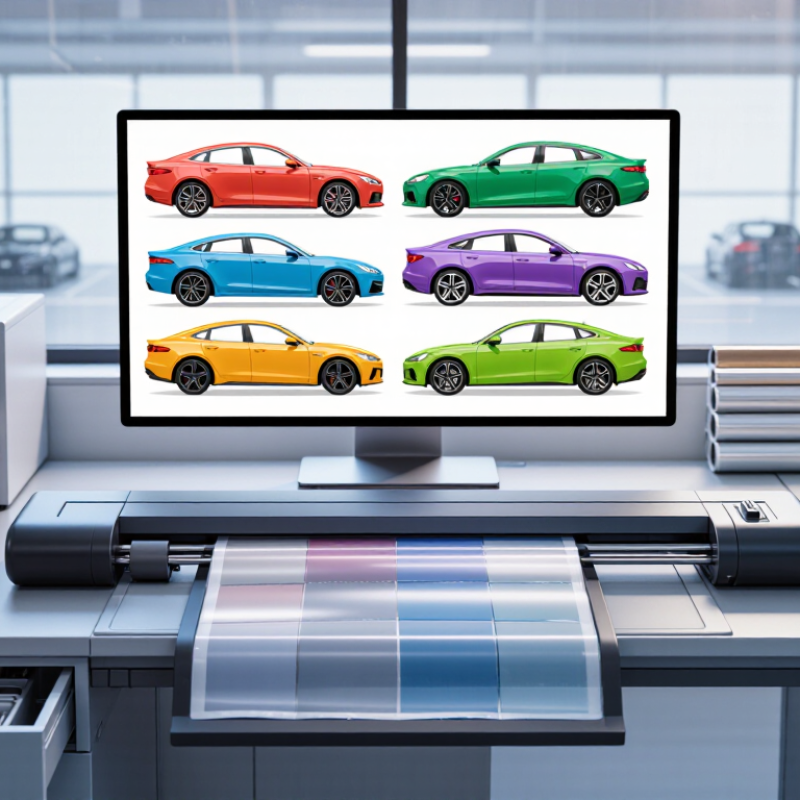
PPF cut program software is a digital system that converts vehicle measurements into precise paint protection film patterns. Installers select a vehicle model, panel, and film size. The software then creates a cutting path for a plotter, reducing the need to trim film directly on painted surfaces.

In practical use, a technician can preview a hood pattern, adjust edge coverage, and send the file to a cutter within minutes.

It is not simply a template library. It combines vehicle databases, pattern editing, nesting, scaling, and production controls.

Demand is growing with the wider protection-film market. Grand View Research reported that the global automotive paint protection film market was valued at approximately USD 386 million in 2023, with continued growth expected through the decade. Market estimates differ by research method. That matters when buyers compare software claims.

A larger database does not always mean better accuracy. Real workshop checks remain essential, especially for changed body panels, aftermarket bumpers, and regional vehicle variations.

Reliable evaluation should include pattern-update frequency, measurement accuracy, offline access, plotter compatibility, and revision history. ISO 9001 quality principles also support traceable updates and documented correction processes, even when certification is not required.

Experienced installers should test several common vehicles before making a purchase.

Watch the corners. Poorly mapped curves may create lifting, stretching, or unnecessary waste.

A software system can improve repeatability, but it cannot replace skilled inspection. Some patterns will still need correction. That is the part many sales pages understate.


How PPF Cutting Software Works

Top PPF Cut Program Software for Global Buyers?

How PPF Cutting Software Works

PPF cutting software turns vehicle measurements into accurate digital patterns. It usually connects a vehicle library with a design and cutting interface. The operator selects a model, panel, and production year. The software then displays the hood, doors, mirrors, or bumpers as editable outlines. Cutting paths are created with vector lines. The film sits on a cutting mat, while the machine follows those lines with controlled pressure. This reduces hand trimming near painted surfaces.

Reliable results depend on clean pattern data and careful setup. Experienced installers check the preview before cutting. They inspect edges around headlights, sensors, curves, and narrow gaps. Many programs allow seam changes, stretch allowances, mirrored panels, and material-saving layouts. Metric and imperial measurements can support buyers working across different markets. However, software cannot correct every vehicle variation. Factory changes, previous repairs, and unusual body kits may affect fit. The first cut is not always perfect. That is worth remembering.

Tips: Use a test piece before cutting expensive film. Confirm the vehicle year and trim level. Keep the film flat and the blade depth low. Compare the finished panel with the digital preview. A small adjustment can prevent wasted material, although even skilled installers sometimes need a second attempt.

How PPF Cutting Software Works: Key Workflow Stages

PPF cutting software converts vehicle geometry into a digital pattern, allows fit adjustments, nests pieces to reduce film waste, and sends cutting instructions to a plotter. The chart shows the relative operational importance of each stage for global buyers evaluating software capabilities.

Index scale: 0–100, based on commonly evaluated workflow requirements including accuracy, automation, material efficiency, and production readiness.

Key Features for Global Buyers to Evaluate

Global buyers should evaluate PPF cut software beyond its template library. The system must support multiple languages, currencies, measurement units, and tax settings. A current vehicle database is essential. Outdated patterns create waste, rework, and customer complaints.

According to Grand View Research, the global automotive films market was valued at about USD 7.9 billion in 2023. That scale signals strong demand for efficient digital workflows. Buyers should also check CAD import, automatic nesting, pattern editing, and export compatibility. These features matter when installers use different plotters across regions.

Tips: Test five common vehicle patterns before purchase. Measure edge accuracy, editing speed, and material usage. Ask for update frequency and regional support. Confirm whether data stays encrypted during cloud transfers.

Security and service deserve equal attention. A 2024 IBM Cost of a Data Breach report placed the global average breach cost at USD 4.88 million. Software handling customer records needs role-based access, audit logs, and reliable backups. Global users should review uptime records and support response times, not only screenshots. Industry reports often use different market definitions, so their forecasts are not perfectly comparable. That is worth questioning. A lower subscription price may hide limited updates, weak training, or expensive regional support. Short trial access can reveal these weaknesses before a long-term commitment.

Comparing Leading PPF Cut Program Options

Comparing PPF cut program options requires more than counting template libraries. Global buyers should examine cutting accuracy, update frequency, material waste, and operator training. Deloitte’s 2024 Global Automotive Consumer Study surveyed over 31,000 consumers across 30 countries. That scale reflects a practical challenge: vehicle preferences and model availability vary sharply by market. A useful program must support regional models, left-hand and right-hand drive layouts, and different film widths.

Cloud-based platforms usually provide faster template updates and simpler access across multiple locations. Desktop systems may offer stronger offline control and easier integration with local plotters. Hybrid options can balance both needs. Look closely at nesting tools. Even a small reduction in unused film can affect monthly margins. Measure it with real jobs, not a sales demonstration. Some systems also show estimated material usage, installation notes, and revision history. These details help new technicians repeat proven work.

S&P Global Mobility reported that the average age of vehicles in the United States reached 12.6 years in 2024. That supports continued demand for protection on older vehicles, not only new cars. However, template coverage for aging or uncommon models remains inconsistent. No platform is perfect. I would test ten popular local vehicles before signing a contract. Record cut time, edge alignment, failed pieces, and support response. A polished interface can still hide weak data. Reliable comparison means checking measurable workflow results, transparent licensing, export options, and data security.

Top PPF Cut Program Software for Global Buyers? - Comparing Leading PPF Cut Program Options
Evaluation Dimension Cloud-Based Pattern Platform Desktop-First Cutting Software Hybrid Workshop Solution
Primary Deployment Web browser access with account-based cloud storage Installed locally on a Windows workstation Cloud access combined with local production tools
Vehicle Pattern Access Centralized online library with searchable vehicle records Local library requiring periodic database updates Online library with selected files available for local use
Pattern Customization Strong Strong Strong
Pattern Editing Tools Scaling, splitting, trimming, stretching, mirroring, and adding relief cuts Advanced node editing, curve adjustment, trimming, and manual layout control Online editing with additional local precision tools
Supported Design Files Common vector and plotter formats, subject to platform export settings Common vector, CAD, and plotter formats, depending on installed modules Common vector and plotter formats with cloud-to-local transfer
Plotter Compatibility Compatible when the plotter accepts supported commands or exported files Direct control is commonly available through installed drivers Supports direct local control and file-based production workflows
Material-Nesting Features Automatic placement and layout optimization are commonly available Manual and automatic nesting options are commonly available Automatic nesting with local adjustment before cutting
Material Efficiency High potential when automatic nesting and reusable templates are used High potential, depending on operator layout skills High potential through combined automated and manual nesting
Offline Operation Limited; an internet connection is normally required for library access Strong Moderate; local production may continue when synchronized files are available
Pattern Update Process Central updates can be delivered without manual installation Updates usually require downloads, installation, or database replacement Cloud records update centrally while local tools may require maintenance
Multi-Location Collaboration Strong Limited unless files are shared through a separate system Strong
Production Tracking Often includes job history, user access, and project status features Usually focuses on design and cutting rather than centralized job tracking Can combine centralized project records with local machine activity
Learning Curve Generally lower for basic cutting workflows Generally higher because of advanced local controls Moderate, with separate cloud and local workflow steps
Best Fit for Global Buyers Distributed teams, multiple branches, and buyers needing centralized access Workshops requiring offline control and detailed manual editing Growing operations that need both collaboration and local production control
Main Purchasing Check Confirm regional access, data availability, export limits, and subscription terms Confirm operating-system support, plotter drivers, updates, and hardware requirements Confirm cloud-local synchronization, supported machines, and user licensing
Comparison values describe common capabilities of major PPF cutting software categories. Actual functions depend on the software edition, subscription level, plotter model, file format, and regional service availability.

How to Select Software for Different Markets

Choosing top PPF cut program software for global buyers requires more than checking template volume. Vehicle databases must reflect regional trims, steering positions, body variations, and local model names. The IEA reported nearly 14 million electric cars sold worldwide in 2023, representing about 18% of global car sales. This shift increases demand for accurate templates around sensors, charging ports, and unusual body panels.

Market fit matters. European installers may need metric measurements and European vehicle configurations. Buyers in Australia, Japan, or the United Kingdom may require reliable right-hand-drive templates. In North America, software should support larger SUVs and frequent model updates. Check the database update schedule, scan accuracy, offline access, language options, and export compatibility before purchasing. ACEA recorded over 10.5 million new car registrations in the European Union during 2023, showing how quickly regional vehicle demand can change.

Tips: Request a trial using three local models. Compare panel alignment, waste percentage, and cutting speed. Ask whether updates include regional trims, not only global models. Also inspect data security and user permissions when operating across countries. No library is perfect. A fresh model can still contain a small mirror or bumper error. Experienced installers should test templates physically before large-scale deployment, while software providers should document scan sources and correction history. Reports from the IEA and ACEA offer useful market context, but they cannot replace hands-on validation.