How to Use Ppf Precut Data for Perfect Vehicle Wraps and Custom Designs
In today's automotive industry, the demand for personalized vehicle aesthetics has reached new heights, leading many enthusiasts and professionals to explore innovative solutions for vehicle wraps and custom designs. One of the most valuable tools at their disposal is Ppf Precut Data, which streamlines the wrapping process and enhances the overall quality of the final product. By utilizing precise, pre-cut data files that align perfectly with a range of vehicle models, users can significantly reduce installation time while ensuring a seamless fit and finish.
The integration of Ppf Precut Data not only allows for greater accuracy in design execution, but it also empowers designers to unleash their creativity without the constraints of traditional methods. With this approach, professionals can easily experiment with various patterns, textures, and colors, ultimately providing their clients with bespoke designs that truly reflect their individuality. As this technique continues to evolve, understanding how to effectively utilize Ppf Precut Data will be vital for those looking to stay at the forefront of the vehicle customization market.

Understanding PPF Precut Data and Its Significance
Paint Protection Film (PPF) precut data serves as a cornerstone for achieving flawless vehicle wraps and custom designs. Understanding this data is essential for both professional installers and enthusiasts alike. According to a report by the International Carwrap Association, the demand for vehicle wraps, including protective films, has increased by over 25% in the last few years. This trend highlights the necessity of precision in PPF application, where precut templates enable installers to achieve optimal coverage and fit, reducing the risk of material wastage and ensuring a sleek finish.
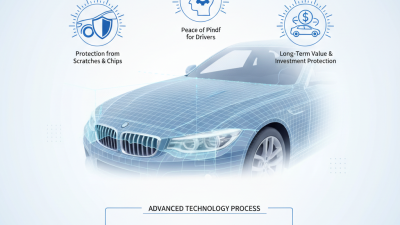
The significance of PPF precut data lies not only in its ability to streamline the installation process but also in enhancing the longevity of the wrap. Research from Frost & Sullivan indicates that advances in PPF technology, alongside accurate precut data, have led to performance enhancements such as increased UV resistance and durability, extending the lifespan of vehicle wraps to over five years under proper maintenance. When installers utilize high-quality precut data, they can ensure that the film adheres perfectly to the vehicle's contours, minimizing the potential for bubbles or peeling, which are common issues in DIY applications.
| Dimension |
Description |
Significance |
| Vehicle Type |
Type of vehicle for the wrap application (e.g., sedan, SUV, truck) |
Determines the required size and shape of precut PPF patterns. |
| Wrap Material |
Type of paint protection film used (e.g., gloss, matte, textured) |
Affects the final appearance and durability of the vehicle wrap. |
| Design Complexity |
Level of custom design elements included in the wrap |
Influences the installation process and time required. |
| Installation Method |
Technique used for applying the precut PPF |
Determines the effectiveness and longevity of the wrap. |
| Cutting File Format |
Format of the files used for cutting the PPF (e.g., .ai, .dxf) |
Ensures compatibility with cutting machines for precise cuts. |
| Customer Preferences |
Specific choices made by the customer regarding colors and styles |
Directly impacts satisfaction with the final product. |
Preparing Your Vehicle for a Perfect Wrap
Preparing your vehicle for a perfect wrap is crucial in achieving a stunning and long-lasting finish. Before applying any PPF (Paint Protection Film) or vinyl wrap, ensure that the vehicle’s surface is thoroughly cleaned and free from dirt, wax, and grease. Use a pH-neutral car wash soap and a soft sponge to carefully wash the entire exterior. Once washed, dried, and preferably clay-barred, inspect the surface for any imperfections that might protrude through the wrap.
Tips: Consider using a heat gun to slightly warm the wrap material during application. This can enhance adhesion and make it easier to conform to curves and edges of the vehicle. Always work in a dust-free environment to prevent any particles from sticking to the adhesive side of the wrap.
After cleaning, it's also essential to address any surface scratches or chips. These can affect the wrap's performance and longevity; filling them with a suitable touch-up paint will help create a smooth surface for the wrap. Make sure to allow adequate drying time for any repairs. Lastly, checking the weather forecast is vital as wrapping in unfavorable conditions, such as high humidity or extreme temperatures, can compromise the installation.
Tips: Ensure that you have all the necessary tools at hand, including a squeegee and a sharp utility knife. This preparation will facilitate a smoother application process and reduce the risk of mistakes, resulting in a flawless finish.
Selecting the Right Design and Material for Your Wrap
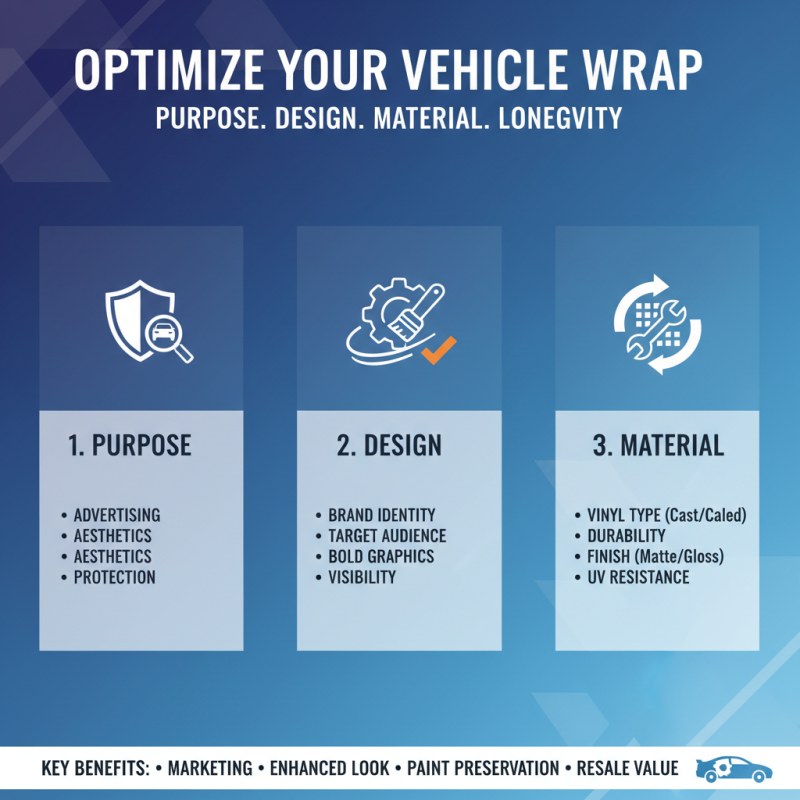
When selecting the right design and material for your vehicle wrap, it’s essential to understand how different elements contribute to the overall effectiveness and longevity of your wrap. Begin by considering the intended purpose of your wrap—whether it’s for advertising, aesthetics, or protection. The design should reflect your brand’s identity and message, utilizing colors and patterns that resonate with your target audience. Think about the visibility of your design; bold graphics tend to stand out better, especially when viewed from a distance.
In addition to design, the choice of material plays a crucial role in the success of your vehicle wrap. Various options are available, from vinyl to polymer to cast films, each offering different levels of durability and finish. For example, high-quality vinyl wraps are known for their flexibility and ability to conform to complex surfaces, making them ideal for intricate designs. Furthermore, consider the environment in which your vehicle will be used; certain materials are more resistant to UV rays, weathering, and abrasion, which can extend the life of your wrap. By carefully selecting both design and material, you can achieve a vehicle wrap that not only looks fantastic but also lasts longer and performs better.
Applying PPF Precut Templates for Accurate Installation
When it comes to applying PPF (Paint Protection Film) precut templates, accuracy is key to achieving a flawless finish on vehicle wraps and custom designs. Utilizing these templates allows installers to work more efficiently, ensuring that every cut is precise and tailored to fit the specific contours of the vehicle. Start by carefully prepping the surface of the vehicle, cleaning it thoroughly to remove any dirt, wax, or residues, which is essential for the film to adhere properly.
Tips for installation include using a heat gun to help shape the film to the curves of the vehicle, allowing for smoother application and fewer air bubbles. Make sure to use a squeegee to gently push out any trapped air and moisture from under the film. For intricate designs or edges, consider using a knife to trim excess film carefully, ensuring that you maintain a neat line that complements the vehicle's design.
Moreover, always review the provided precut template against the vehicle for any discrepancies before application. This proactive approach helps to avoid costly mistakes and ensures that every piece fits as intended. Remember, patience and precision during installation can make the difference between a good wrap and a great one, so take your time to achieve that flawless look.
Maintaining and Caring for Your Vehicle Wrap After Installation
Maintaining and caring for your vehicle wrap after installation is essential for preserving its aesthetics and longevity. According to a report by the Specialty Graphic Imaging Association (SGIA), properly maintained vehicle wraps can last between 5 to 7 years, significantly enhancing the return on investment for businesses relying on mobile advertising. The first step in care is regular cleaning; using a mild soap and water solution with a soft sponge can help prevent dirt buildup without causing damage to the vinyl. It's crucial to avoid automatic car washes, especially those with brushes, as they can scratch the wrap and reduce its lifespan.
Moreover, protecting your vehicle wrap from environmental factors can extend its durability. Studies indicate that prolonged exposure to UV rays can lead to fading and discoloration. To mitigate this, parking in shaded areas or using a vehicle cover when not in use can be beneficial. Additionally, addressing any minor damages, such as scratches or peeling edges promptly, can prevent larger issues and costly repairs later on. By following these care guidelines, vehicle owners can ensure that their wraps maintain their vibrant appearance and functional integrity over time, allowing for effective communication of their brand message.