What is a Cutting Plotter and How Does It Work?
The Cutting Plotter industry has seen significant advancements in recent years. According to a report by Smith Analytics, the market is projected to grow by 5.5% annually. This growth is fueled by the increasing demand for precise cutting in various sectors. A Cutting Plotter not only enhances productivity but also assures high-quality outcomes in graphic design, apparel, and signage.
Expert input reinforces this perspective. Dr. Emily Chen, a leading authority in the cutting technology field, once stated, "Cutting Plotters are essential tools for achieving accuracy and efficiency in modern design workflows." This emphasizes the importance of these devices in streamlining production processes.
However, despite their advantages, challenges remain. Users often encounter calibration issues and software compatibility problems. These hurdles can lead to inefficiencies. It's crucial for businesses to invest in proper training and maintenance. The Cutting Plotter remains a vital asset, despite the complexities involved. The right approach can unlock its full potential, driving innovation and quality.
What is a Cutting Plotter? An Overview of Its Purpose and Usage
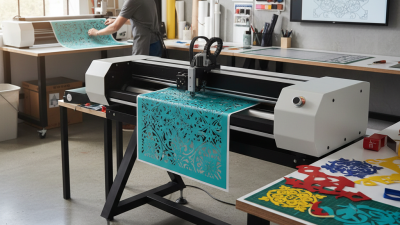
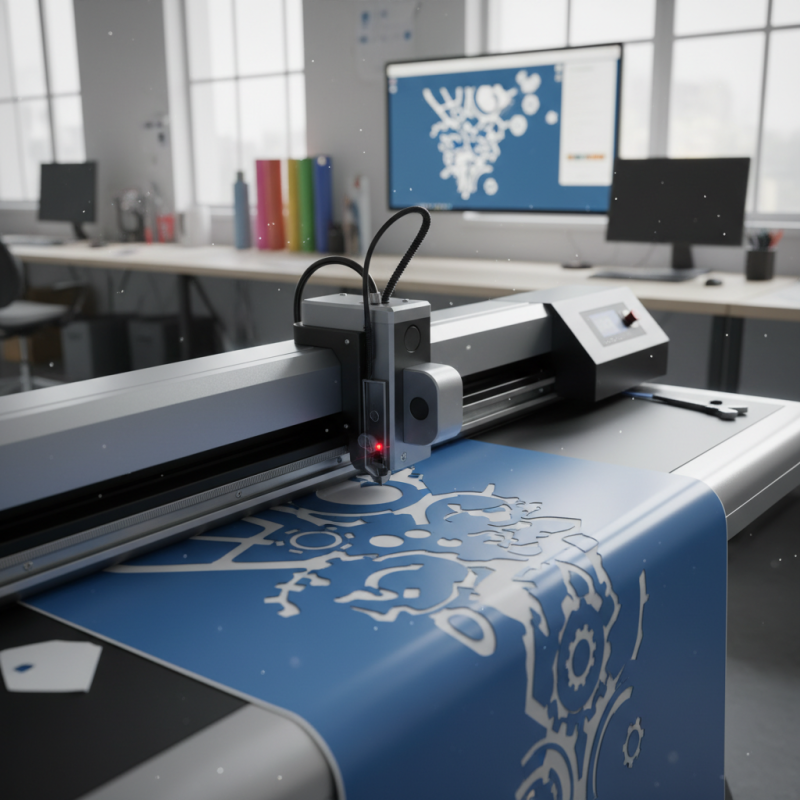
A cutting plotter is a versatile tool used in various industries. It operates by cutting material into precise shapes and designs. These includes vinyl, paper, and cardboard. The plotter can also create intricate patterns for artists, sign makers, and custom garment creators.
The setup involves connecting a computer to the cutting plotter. Users create designs with software, then send the files directly to the machine. The cutting blade moves across the material, making a clean incision based on the design. Some may find it tricky to calibrate the machine accurately, leading to uneven cuts. Testing different settings can mitigate this issue.
What sets cutting plotters apart from traditional printers is their ability to cut instead of print. This makes them invaluable for prototyping and producing decals or labels. Many users have expressed frustration with learning curves and occasional software compatibility issues. However, the reward of creating professional-quality products justifies the effort.
Usage of Cutting Plotters in Various Industries
Cutting plotters are widely used across different industries, with sign making taking the largest market share. This chart illustrates the percentage share of various industries utilizing cutting plotters, showcasing their diverse applications from apparel design to automotive and packaging sectors.
Key Components of a Cutting Plotter: Hardware and Software Essentials
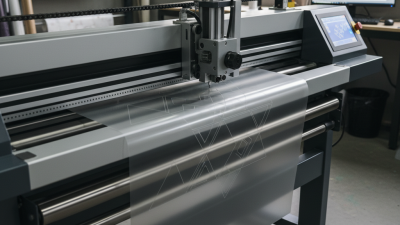
A cutting plotter is an essential tool in graphic design and manufacturing. Understanding its hardware and software components is crucial for effective use. The key hardware elements include the cutting head, blade, and the platform where materials are placed. The cutting head moves along the X and Y axes. The blade's precision ensures clean cuts, but it can wear out and requires regular checks.
Software used with cutting plotters is equally important. It sends design files to the plotter and dictates cutting paths. This software often includes design features and layout settings. Users sometimes find these systems overwhelming, as software updates can change the interface or features. Familiarity and practice are necessary to avoid mistakes.
Tips: Regular maintenance of the cutting blade extends its life. Users should routinely check for dull blades, as this can affect cutting quality. Additionally, ensuring compatibility between design files and plotter software can save time. Testing designs on scrap material before production is a wise strategy. Small errors can lead to larger issues down the line.
How Cutting Plotters Work: The Mechanics Behind Precision Cutting
Cutting plotters are essential tools used in various industries for precise cutting of materials like vinyl, paper, and fabric. Understanding the mechanics behind them is vital for anyone considering their use. A cutting plotter operates by utilizing a blade mounted on a movable arm, which follows pre-programmed designs. The blade cuts through materials based on the information provided by software, resulting in intricate shapes and patterns.
Analyses show that cutting plotters can improve production efficiency by up to 30%. This increase in efficiency is largely due to the automation of cutting tasks. The process involves vector graphics, where digital designs translate into physical cuts. Most plotters can handle cutting speeds of approximately 600 mm/s. This high-speed operation allows businesses to fulfill orders quickly and effectively.
To ensure optimal precision, one must calibrate the plotter regularly. Make sure to keep the blade sharp for accurate cutting. Always test cuts on a sample material to avoid wasting resources. Experimenting with different settings can also reveal the best configurations for specific materials. Remember that not all materials cut the same, so continuous learning is key.
Applications of Cutting Plotters Across Various Industries
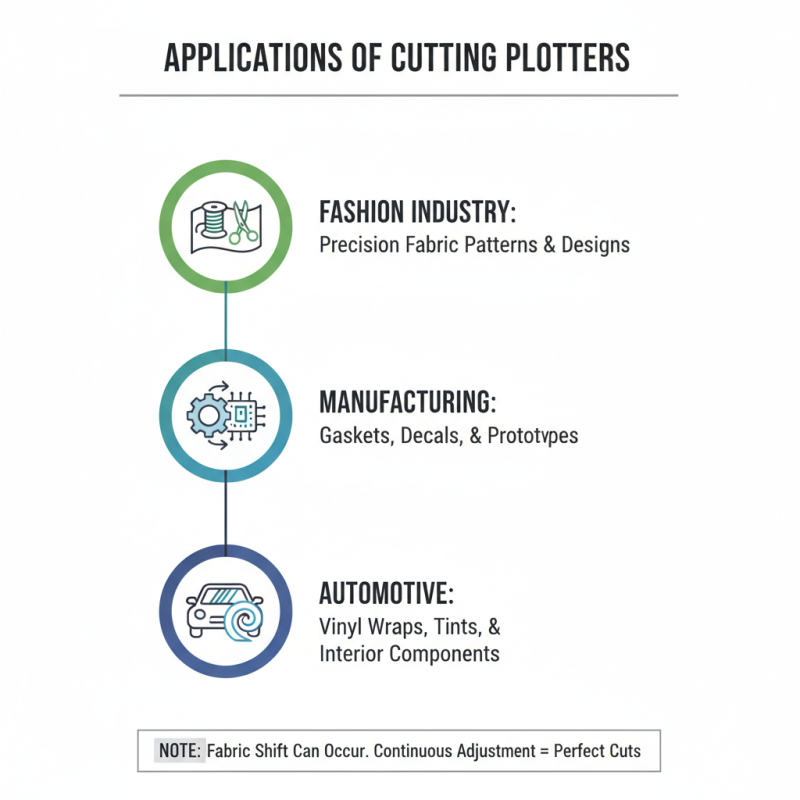
Cutting plotters play a vital role in various industries, offering precision cutting and design capabilities. In the fashion industry, they are used to create fabric patterns accurately. Designers can quickly produce intricate shapes and designs, streamlining the production process. However, not all cuttings are perfect. Sometimes fabric can shift, leading to imperfect patterns. Continuous adjustments are essential for achieving the desired results.
In the signage and graphics fields, cutting plotters are indispensable. They allow for the creation of custom decals and signs with great detail. This technology enables businesses to produce high-quality visuals quickly. Yet, challenges remain. Incorrect blade settings can result in jagged edges or incomplete cuts. Operators must have an eye for detail to avoid such pitfalls.
Moreover, the packaging industry benefits greatly from these machines. Cutting plotters make it easier to prototype and test packaging designs. Quick adjustments can help refine dimensions and aesthetics. Still, there’s a learning curve involved. New users may struggle with software settings or feeding materials correctly. This highlights the importance of training and hands-on experience.
Market Trends: The Growth and Innovations in Cutting Plotter Technology
The cutting plotter market has seen significant growth in recent years. Users demand accuracy and versatility in design. New technologies have emerged, enhancing performance and user experience. From vinyl cutters to digital fabric cutting, the applications are vast. Each innovation aims to simplify complex design tasks.
Companies increasingly focus on user-friendly interfaces. These improvements lower the learning curve for new users. While some models still present challenges, many now offer tutorials and online support. The need for customization drives creativity in design. Emerging trends call for integration with software and online platforms.
As the industry evolves, sustainability has become a priority. Eco-friendly materials and energy-efficient machines are gaining traction. Some users express concerns over waste management. Continued advancements promise to address these issues. The future of cutting plotters looks bright and innovative.
What is a Cutting Plotter and How Does It Work? - Market Trends: The Growth and Innovations in Cutting Plotter Technology
| Dimension |
Details |
| Market Size (2023) |
Approximately $1.5 Billion |
| Annual Growth Rate (CAGR) |
5.2% (2023-2028) |
| Key Applications |
Vinyl Cutting, Signage, Apparel Manufacturing, CAD |
| Technological Innovations |
Eco-friendly materials, Precision cutting technologies, Software advances |
| Popular Features |
Bluetooth Connectivity, Smart Cutting, User-friendly Interfaces |
| Major Markets |
North America, Europe, Asia Pacific |
| Challenges |
High Initial Costs, Complexity in Operation |