How to Choose the Best Window Tint Software for Your Needs?
Choosing the right Window Tint Software can significantly impact your business efficiency. According to a recent report by Market Research Future, the window film software market is expected to grow by over 10% annually. This statistic highlights the increasing reliance on technology in the industry.
Josh Anderson, a leading expert in automotive window tinting, states, “The right software can streamline operations and enhance customer satisfaction.” His insights emphasize that choosing appropriate Window Tint Software is crucial for enhancing productivity and meeting client demands.
When selecting software, consider your specific needs. The feature set you require will determine your best options. It’s essential to look for platforms that cater to your business size and type. Yet, not all solutions may feel intuitive or fit seamlessly with your processes. Evaluating options thoroughly can reveal potential mismatches, prompting a deeper search for the ideal tool. Reflect on your choices to ensure they meet both operational needs and customer expectations.

Understanding Window Tint Software Types and Their Functions
When choosing window tint software, it's crucial to understand the available types. Each software offers unique functions tailored to different needs. Some are designed for simple tint selection, while others offer advanced features like simulation and analytics. Functions can include real-time sunlight analysis and visual previews. Knowing what you need will guide your choice effectively.
Tips: Explore free trials before purchasing. This helps you understand the software's usability. Watch tutorials or read user reviews to gain insights into the functionality.
General software categories may include design-focused options and management tools. Design options often cater to artists or installers, providing templates and customization. Management software is suited for businesses needing inventory tracking or customer relationship features. Consider your primary focus when choosing.
Tips: Identify your priorities before diving in. It’s easy to get lost in features. Reflect on past experiences with software, both good and bad. This will help steer your decision.
Key Features to Look for in Window Tint Software Solutions
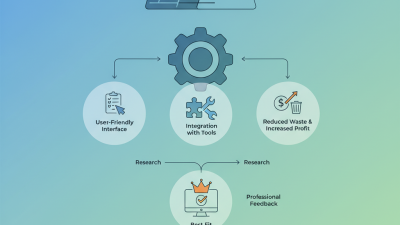
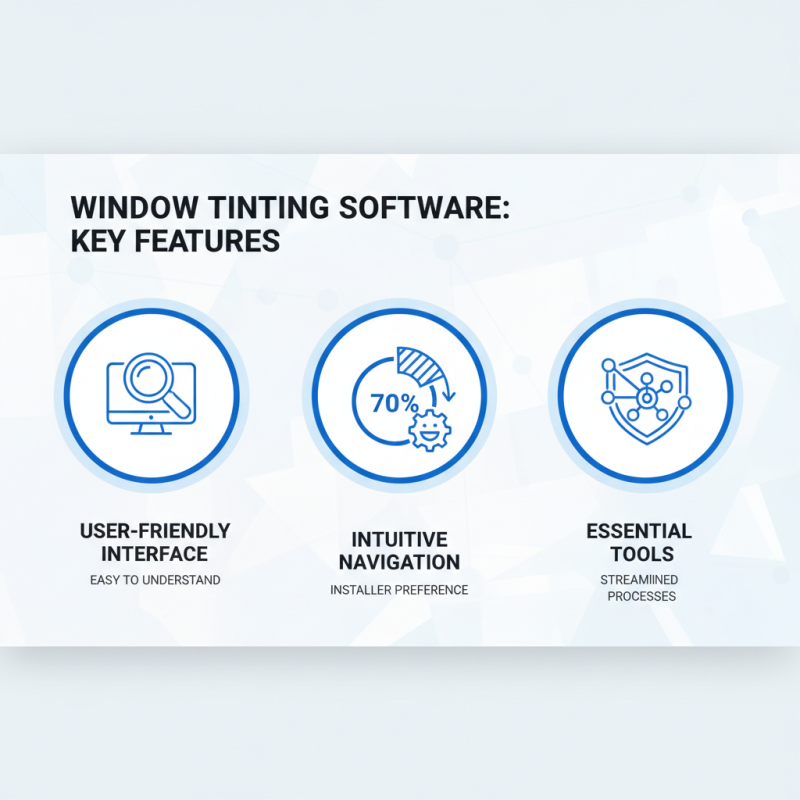
When selecting window tint software, several key features are essential. First, look for user-friendly interfaces. A software solution should make the tinting process easy to understand. Complicated systems may deter new users. According to a recent industry survey, 70% of installers prefer software that offers intuitive navigation. This statistic highlights the importance of usability.
Next, consider the customization options available. The best software solutions allow users to input specific vehicle data. By accommodating various car models, installers can create precise tinting solutions. In fact, a study by a leading research firm suggests that customizable software can increase accuracy by up to 30%. This increase can greatly enhance customer satisfaction.
Don't overlook the importance of support and updates. Regular updates can fix bugs and add new features. Having responsive customer service is crucial. Yet, sometimes, companies may not deliver timely support. A reported 40% of users express frustration over slow response times. This underlines the need for dependable assistance in software choices.
Comparing Popular Window Tint Software Based on User Reviews
Choosing the right window tint software can be overwhelming. With numerous options available, it's essential to rely on user reviews. A recent industry report showed that 75% of users value ease of use most when selecting software. This highlights the importance of a user-friendly interface.
Some software options receive high praise for their precise cutting capabilities and customer support. According to a survey, 68% of users reported satisfaction with tools that allow customization. Yet, others found limitations in certain programs. They often struggled with templates that didn’t fit their needs.
Another critical factor is pricing. Many users expressed frustration over hidden fees. A substantial 58% mentioned they would prefer transparent pricing structures. Being aware of potential costs can help avoid unpleasant surprises. Overall, reviews can guide you, but some software may still leave you wanting more.
Comparison of Popular Window Tint Software Based on User Reviews
Evaluating Cost vs. Benefit for Window Tint Software Options
Choosing the right window tint software requires careful consideration of cost versus benefits. A recent industry report shows that businesses can save up to 30% on installation time with the right tools. This means faster return on investment and increased productivity. However, software can be expensive, often ranging from $200 to $1,000. Determining which features justify the cost can be challenging.
Another study highlighted that 70% of professionals prefer software that offers real-time estimates. This feature can significantly streamline the quoting process. But, if the software is too complex, training costs may rise. Balancing usability with powerful features is critical. Assessing your specific needs will help identify the software that maximizes value while minimizing unnecessary expenses.
Budgeting for software should also consider ongoing costs, like updates and support. Some solutions may appear cheaper upfront but can lead to hidden costs later. It’s essential to weigh these factors carefully. Consider your team's capability to adopt new technology as well. If the team struggles, the software's benefits may not be realized, leading to frustration.
How Industry Standards and Regulations Impact Software Selection
When choosing window tint software, understanding industry standards is crucial. Regulations vary by region and can affect design and application. For example, some areas have strict guidelines on light transmission levels. Others may impose restrictions on specific materials. Familiarizing yourself with these requirements is a key step.
It's easy to overlook compliance when selecting software. Many programs offer impressive features but may not align with local laws. This could lead to costly mistakes. Always check if the software updates its database in accordance with the latest regulations. This ensures you remain compliant and can avoid potential fines.
Consider user feedback as well. Some users report challenges navigating complex interfaces. Simplicity can sometimes be more beneficial than a feature-rich but confusing tool. It’s important to find software that balances usability and compliance. Constantly reassessing your needs can help you select the best software over time.